Cricket News: Latest Cricket News, Live Scores, Results, Upcoming match Schedules | Times of India

Sportstar - IPL

Showing posts with label भारतीय सांस्कृतिक धरोहर (Bhartiya Sanskritik Dharohar). Show all posts

बेट द्वारका - दंडी हनुमान || Bet Dwarka - Dandi Hanuman

 बेट द्वारका - दंडी हनुमान 

बेट द्वारका द्वीप पर द्वारकाधीश मंदिर से करीब तीन किलोमीटर दूर भगवान हनुमान का एक भव्य और अनोखा मंदिर है, जिसे हनुमानदंडी के नाम से जाना जाता है। इस स्थान पर तीर्थयात्री अखरोट की पूजा करते हैं। हनुमानदंडी के बारे में प्राचीन मान्यता है कि यह वह स्थान है, जहां भगवान हनुमान ने भगवान राम और भगवान लक्ष्मण को रसातल में पहुंचाया था और ऐसी मान्यता है कि यह वही स्थान है जहां पहली बार हनुमानजी अपने पुत्र मकरध्वज से मिले थे।

बेट द्वारका - दंडी हनुमान || Bet Dwarka - Dandi Hanuman

यह मंदिर किस तरह अनोखा है, यह जानना अधिक दिलचस्प है। इस स्थान पर मकर ध्वज के साथ में हनुमानजी की मूर्ति स्थापित है। कहते हैं कि पहले मकरध्वज की मूर्ति छोटी थी परंतु अब दोनों मूर्तियां एक सी ऊंची हो गई हैं। 

मंदिर के अंदर प्रवेश करते ही सामने हनुमान पुत्र मकरध्वज की प्रतिमा है, वहीं पास में हनुमानजी की प्रतिमा भी स्थापित है। इन दोनों प्रतिमाओं की विशेषता यह है कि इन दोनों के हाथों कोई भी शस्त्र नहीं है और ये आनंदित मुद्रा में हैं। यह मंदिर 500 वर्ष पुराना है। भारत में यह पहला मंदिर जहाँ हनुमानजी और मकरध्वज (पिता -पुत्र) का मिलन दिखाया गया है।

बेट द्वारका - दंडी हनुमान || Bet Dwarka - Dandi Hanuman

जब हनुमानजी श्रीराम-लक्ष्मण को लेने के लिए आए, तब उनका मकरध्वज के साथ घोर युद्ध हुआ। कुछ धर्म ग्रंथों में मकरध्वज को हनुमानजी का पुत्र बताया गया है, जिसका जन्म हनुमानजी के पसीने द्वारा एक मछली से हुआ था। कहते हैं कि पहले हिंदू धर्म को मानने वाले ये बात बहुत अच्छी तरह से जानते हैं कि भगवान श्रीराम के परमभक्त व भगवान शंकर के ग्यारवें रुद्र अवतार श्रीहनुमानजी बालब्रह्मचारी थे, लेकिन बहुत ही कम लोग ये बात जानते हैं कि धर्म शास्त्रों में हनुमानजी के एक पुत्र का वर्णन भी मिलता है। शास्त्रों में हनुमानजी के इस पुत्र का नाम मकरध्वज बताया गया है। भारत में दो ऐसे मंदिर भी है जहां हनुमानजी की पूजा उनके पुत्र मकरध्वज के साथ की जाती है। इन मंदिरों की कई विशेषताएं हैं जो इसे खास बनाती हैं।

बेट द्वारका - दंडी हनुमान || Bet Dwarka - Dandi Hanuman

हनुमानजी के पुत्र मकरध्वज की उत्पत्ति की कथा-  

धर्म शास्त्रों के अनुसार जिस समय हनुमानजी सीता की खोज में लंका पहुंचे और मेघनाद द्वारा पकड़े जाने पर उन्हें रावण के दरबार में प्रस्तुत किया गया। तब रावण ने उनकी पूंछ में आग लगवा दी और हनुमान ने जलती हुई पूंछ से पूरी लंका जला दी। जलती हुई पूंछ की वजह से हनुमानजी को तीव्र वेदना हो रही थी जिसे शांत करने के लिए वे समुद्र के जल से अपनी पूंछ की अग्नि को शांत करने पहुंचे। 

बेट द्वारका - दंडी हनुमान || Bet Dwarka - Dandi Hanuman

उस समय उनके पसीने की एक बूंद पानी में टपकी जिसे एक मछली ने पी लिया था। उसी पसीने की बूंद से वह मछली गर्भवती हो गई और उससे उसे एक पुत्र उत्पन्न हुआ, जिसका नाम पड़ा “मकरध्वज”। मकरध्वज भी हनुमानजी के समान ही महान पराक्रमी और तेजस्वी था। मकरध्वज को अहिरावण द्वारा पाताल लोक का द्वारपाल नियुक्त किया गया था। जब अहिरावण श्रीराम और लक्ष्मण को देवी के समक्ष बलि चढ़ाने के लिए अपनी माया के बल पर पाताल ले आया था तब श्रीराम और लक्ष्मण को मुक्त कराने के लिए हनुमान पाताल लोक पहुंचे और वहां उनकी भेंट मकरध्वज से हुई। तत्पश्चात हनुमानजी और मकरध्वज के में घोर युद्ध हुआ। अंत में हनुमानजी ने उसे परास्त कर उसी की पूंछ से उसे बांध दिया। 

बेट द्वारका - दंडी हनुमान || Bet Dwarka - Dandi Hanuman

मकरध्वज ने अपनी उत्पत्ति की कथा हनुमान को सुनाई। हनुमानजी ने अहिरावण का वध कर प्रभु श्रीराम और लक्ष्मण को मुक्त कराया और श्रीराम ने मकरध्वज को पाताल लोक का अधिपति नियुक्त करते हुए उसे धर्म के मार्ग पर चलने की प्रेरणा दी। उनकी स्मृति में यह मूर्ति स्थापित है।मकरध्वज व हनुमानजी का यह पहला मंदिर गुजरात के भेंटद्वारिका में स्थित है। यह स्थान मुख्य द्वारिका से दो किलो मीटर अंदर की ओर है।

अमृतेश्वर मंदिर, कर्नाटक || Amruteshvara Temple, Karnataka

अमृतेश्वर मंदिर

अमृतेश्वर मंदिर जिसे "अमृतेश्वर" या "अमृतेश्वर" भी लिखा जाता है, भारत के कर्नाटक राज्य के चिकमगलूर जिले के चिकमगलूर शहर से 67 किमी उत्तर में अमृतपुरा गांव में स्थित एक शानदार हिंदू मंदिर है। यह मंदिर भगवान शिव को समर्पित है और अपनी शानदार वास्तुकला और जटिल नक्काशी के लिए प्रसिद्ध है। इस मंदिर का निर्माण 1196 में हुआ था। जिसकी शिल्पकला इतनी महीन व उत्कृष्ट कोटि की है कि स्वयं इस मंदिर की एक-एक शिल्पकारी को देख आश्चर्य होता है कि इसे कितने ही सूक्ष्मरुप में तराशा गया है।

अमृतेश्वर मंदिर, कर्नाटक || Amruteshvara Temple, Karnataka

अमृतेश्वर मंदिर की होयसला वास्तुकला आज भी कर्नाटक के हृदय स्थल पर मौजूद है, जो आगंतुकों को इस क्षेत्र के लंबे इतिहास और विरासत की याद दिलाती है। अमृतेश्वर मंदिर 12वीं शताब्दी का मंदिर है, जो दक्षिण भारतीय मंदिर वास्तुकला की प्रमुख विशेषताओं को समेटे हुए है, साथ ही यह हजारों भक्तों के लिए एक महत्वपूर्ण आध्यात्मिक स्थल भी है।

अमृतेश्वर मंदिर, कर्नाटक || Amruteshvara Temple, Karnataka

मंदिर का निर्माण 12 वीं शताब्दी में होयसल राजा वीर बल्लाला द्वितीय के शासनकाल के दौरान सेनापति अमृतेश्वर दंडनायक द्वारा किया गया था। कर्नाटक के सबसे प्रसिद्ध मूर्तिकारों में से एक मल्लीतम्मा थे और ऐसा माना जाता है कि उन्होंने अमृतपुरा में अपने कलात्मकता की शुरुआत की, जो एक स्वर्णिम वास्तुकला युग की शुरुआत का संकेत देता है।

मंदिर के मुख्य देवता भगवान शिव हैं और मंदिर में शिवलिंग 300 साल पुरानी त्रिमूर्ति है जिसे नेपाल की कंडीकेवले नदी से लाया गया था। शिवलिंग के बगल में शारदा देवी की मूर्ति विराजमान है। अक्षरभ्यासम भी एक अन्य अनुष्ठान है जिसे इस मंदिर में किया जा सकता है। भक्त कई कारणों से मंदिर आते हैं, जिनमें धन और बीमारियों से जुड़ी चिंताएँ शामिल हैं। यह भी माना जाता है कि जिनके बच्चे शिक्षा में परेशान हैं वे यहाँ आकर प्रार्थना कर सकते हैं।

अमृतेश्वर मंदिर, कर्नाटक || Amruteshvara Temple, Karnataka

अमृतेश्वर मंदिर के सबसे पुराने हिस्से गर्भगृह, सुखानसी और नवरंग हैं और समय बीतने के साथ इसमें और भी चीज़ें जोड़ी गईं और सजावट की गई। चौड़ा हॉल या मंडप होयसल शैली के मंदिर के महत्वपूर्ण हिस्सों में से एक है। अमृतेश्वर मंदिर के मंडप में कई प्रभावशाली स्तंभ हैं, जो अलंकृत और खराद से बने हैं। खुले और बंद मंडपों में कई आंतरिक छत संरचनाएं हैं जिन पर विस्तृत पुष्प डिजाइन हैं। चौकोर मंदिर शिखर की एक अधिरचना के नीचे स्थित है। अमृतेश्वर मंदिर के शिखर को राक्षसों के चेहरों और छोटे-छोटे जटिल नक्काशी से सजाया गया है।

अमृतेश्वर मंदिर, कर्नाटक || Amruteshvara Temple, Karnataka

मंदिर में देवी-देवताओं, दिव्य प्राणियों और पौराणिक दृश्यों के जटिल चित्रण प्रदर्शित किए गए हैं। मूर्तियों की विशेषता उनके जीवंत भाव, नाजुक विवरण और सुंदर मुद्राएँ हैं। प्रत्येक मूर्ति एक कहानी बताती है और मंदिर के समग्र आध्यात्मिक माहौल को बढ़ाती है।

मंदिर की महत्वपूर्ण मूर्तियों में से एक दक्षिणी दीवार पर स्थित है, जिसमें रामायण की घटनाओं का विस्तृत चित्रण है, कहानी की रेखीय समयरेखा को वामावर्त दिशा में दर्शाया गया है, जो काफी असामान्य है। उत्तर की ओर महत्वपूर्ण हिंदू पौराणिक कथाओं को दर्शाया गया है। महाभारत की घटनाओं को दक्षिणावर्त दिशा में दर्शाया गया है, साथ ही भगवान कृष्ण के जीवन का वर्णन भी मिलता है।

अमृतेश्वर मंदिर, कर्नाटक || Amruteshvara Temple, Karnataka

Amriteshwar Temple

Amriteshwar Temple, also written as "Amriteshwar" or "Amriteshwar", is a magnificent Hindu temple located in Amritapura village, 67 km north of Chikmagalur city in Chikmagalur district of Karnataka state of India. This temple is dedicated to Lord Shiva and is famous for its magnificent architecture and intricate carvings. This temple was built in 1196. Its craftsmanship is so fine and excellent that one wonders how minutely it has been carved.

अमृतेश्वर मंदिर, कर्नाटक || Amruteshvara Temple, Karnataka

The Hoysala architecture of Amriteshwar Temple still exists in the heart of Karnataka, reminding visitors of the long history and heritage of this region. Amriteshwar Temple is a 12th-century temple, which boasts the key features of South Indian temple architecture, as well as it is an important spiritual place for thousands of devotees.

The temple was built in the 12th century by General Amriteshwar Dandanayaka during the reign of Hoysala king Veer Ballala II. One of the most famous sculptors of Karnataka was Mallitamma and it is believed that he started his artistry in Amritapura, which marks the beginning of a golden architectural era.

The main deity of the temple is Lord Shiva and the Shivalinga in the temple is a 300-year-old Trimurti that was brought from the Kandikevale river in Nepal. The idol of Sarada Devi sits next to the Shivalinga. Aksharbhyasam is also another ritual that can be performed in this temple. Devotees visit the temple for several reasons, including worries related to wealth and illnesses. It is also believed that those whose children are having trouble in education can come and pray here.

अमृतेश्वर मंदिर, कर्नाटक || Amruteshvara Temple, Karnataka

The oldest parts of the Amruteshwara temple are the sanctum sanctorum, sukhanasi and navaranga and with the passage of time more additions and decorations were made. The wide hall or mandapa is one of the important parts of the Hoysala style temple. The mandapa of the Amruteshwara temple has several impressive pillars, which are ornate and lathe-turned. The open and closed mandapas have multiple internal ceiling structures with elaborate floral designs. The square shrine is situated under a superstructure of shikhara. The shikhara of the Amruteshwara temple is decorated with faces of demons and small intricate carvings.

The temple displays intricate depictions of gods and goddesses, celestial beings and mythological scenes. The sculptures are characterized by their lively expressions, delicate details and graceful postures. Each sculpture tells a story and enhances the overall spiritual ambiance of the temple.

अमृतेश्वर मंदिर, कर्नाटक || Amruteshvara Temple, Karnataka

One of the important sculptures of the temple is located on the southern wall, which has a detailed depiction of the events of Ramayana, depicting the linear timeline of the story in a counter-clockwise direction, which is quite unusual. The northern side depicts important Hindu mythological stories. Events of the Mahabharata are depicted in a clockwise direction, along with a description of the life of Lord Krishna.

कोदंडरामा स्वामी मंदिर, आन्ध्र प्रदेश || Kondandaramanswami Temple, Andhra Pradesh

कोदंडरामा स्वामी मंदिर

भारत के आन्ध्र प्रदेश राज्य के कड़पा जिले में भगवान राम को समर्पित कोडंदरामा मंदिर (Kondandaramanswami Temple) एक हिन्दू मंदिर है। यह मंदिर इस क्षेत्र का सबसे बड़ा मंदिर कहा जाता है।  इस मंदिर का निर्माण 16वीं शताब्दी के आसपास चोल और विजयनगर राजाओं के शासनकाल के दौरान किया गया था। मंदिर, विजयनगर स्थापत्य शैली का एक उदाहरण है। 

कोदंडरामा स्वामी मंदिर, आन्ध्र प्रदेश || Kondandaramanswami Temple, Andhra Pradesh

यह कडप्पा से 25 किलोमीटर (16 मील) की दूरी पर स्थित है और राजमपेट के पास है। मंदिर और उसके आसपास की इमारतें राष्ट्रीय महत्व के केंद्रीय संरक्षित स्मारकों में से एक हैं। यह मंदिर तिरुपति शहर के प्रसिद्ध मंदिरों में से एक है। मंदिर का संचालन तिरूमला तिरूपति देवस्थानम ट्रस्ट द्वारा किया जाता है। मंदिर के गर्भगृह में भगवान श्री कोदंडरामा स्वामी वरू (श्री राम), देवी सीता अम्मावरू और श्री लक्ष्मण स्वामी वरू की सुंदर प्रतिमाएं स्थापित हैं। इस मंदिर की शैली विजयनगर की वास्तु कला से प्रभावित है। विजयनगर राजवंश के चिह्न और मुद्रिकाएं इस मंदिर के बाहरी मंडप की दीवारों पर अंकित हैं।

यह मंदिर वास्तुकला की दृष्टि से सुंदर और प्रभावशाली है। इसमें तीन अलंकृत गोपुरम (टॉवर) हैं, जिनमें से केंद्रीय मीनार, पूर्व की ओर, मंदिर का प्रवेश द्वार है; अन्य दो मीनारें उत्तर और दक्षिण की ओर उन्मुख हैं। इसे मध्यरंगदपम के नाम से जाना जाता है क्योंकि मंडप 32 स्तंभों पर टिका हुआ है। कोलोनेड परिचारक के मंडप में देवियों की नक्काशीदार मूर्तियाँ हैं। दक्षिणी तरफ केंद्रीय समर्थन प्रणाली के खंभे भगवान कृष्ण और विष्णु की नक्काशी प्रदर्शित करते हैं।

प्रत्येक कोने पर खंभों में देवी - देवताओं की छवियों के साथ तीन परतें उकेरी गई हैं। मध्य भाग की छत का निर्माण कई सजावटी कोष्ठक या कॉर्बल्स के साथ किया गया है। मंडप के स्तंभों में से एक में राम और उनके भाई लक्ष्मण के चित्र उकेरे गए हैं। राम को यहां एक खड़ी स्थिति में दिखाया गया है, उनके दाहिने हाथ में धनुष और बाएं हाथ में एक तीर है। लक्ष्मण की मूर्ति त्रिभंग मुद्रा में गढ़ी गई है, उनका दाहिना हाथ नीचे की ओर है, जबकि बाएं हाथ में धनुष है। 

कोदंडरामा स्वामी मंदिर, आन्ध्र प्रदेश || Kondandaramanswami Temple, Andhra Pradesh
मंदिर का हवाई दृश्य

गर्भगृह में अपनी पत्नी सीता और भाई लक्ष्मण के साथ राम के केंद्रीय प्रतीक को एक ही चट्टान से मिश्रित छवि के रूप में उकेरा गया है। यहां तीनो के साथ राम भक्त हनुमान जी इनके साथ नही पूजे जाते है। हनुमानजी  के लिये मंदिर परिसर में ही  अलग से मंदिर बनाया गया है। मंदिर परिसर में ही तो तीर्थ कुण्ड है, जिनका नाम राम तीर्थ कुण्ड और लक्ष्मण तीर्थ कुण्ड है। 

कोदंडरामा स्वामी मंदिर का इतिहास 

पौराणिक मान्यता के अनुसार, भगवान श्री राम, माता सीता और श्री लक्ष्मण, लंका से लौटते हुए विश्राम करने के लिए इस स्थान पर रुके थे, जिसके पश्चात् यहाँ इन्हीं को समर्पित मंदिर का निर्माण करवाया गया।

श्री कोदंडरामा स्वामी मंदिर का निर्माण 10वीं ईस्वी में चोला राजा नरसिंघा राजा मुदलियार द्वारा शुरू करवाया गया था। पंद्रहवीं शताब्दी में राजा श्री कृष्णा देव राय ने इस मंदिर का पुनर्निर्माण करवाया था।

English Translate

Kodandarama Swamy Temple

Kondandaramanswami Temple is a Hindu temple dedicated to Lord Rama in Kadapa district of the Indian state of Andhra Pradesh. This temple is said to be the largest temple in the region. This temple was built around the 16th century during the reign of the Chola and Vijayanagara kings. The temple is an example of the Vijayanagara architectural style.

कोदंडरामा स्वामी मंदिर, आन्ध्र प्रदेश || Kondandaramanswami Temple, Andhra Pradesh

It is located 25 kilometres (16 mi) from Kadapa and near Rajampet. The temple and its surrounding buildings are one of the centrally protected monuments of national importance. This temple is one of the famous temples in Tirupati city. The temple is run by the Tirumala Tirupati Devasthanam Trust. Beautiful idols of Lord Sri Kodandarama Swamy Varu (Shri Rama), Goddess Sita Ammavaru and Sri Lakshmana Swamy Varu are installed in the sanctum sanctorum of the temple. The style of this temple is influenced by the architecture of Vijayanagara. The symbols and mudrikas of the Vijayanagara dynasty are inscribed on the walls of the outer mandapa of this temple.

The temple is architecturally beautiful and impressive. It has three ornate gopurams (towers), of which the central tower, facing east, is the entrance to the temple; the other two towers face north and south. It is known as the Madhyarangadapam because the mandapam rests on 32 pillars. The colonnaded attendant mandapam has carved idols of goddesses. The pillars of the central support system on the southern side display carvings of Lord Krishna and Vishnu.

The pillars at each corner have three layers carved with images of gods and goddesses. The ceiling of the central portion is constructed with numerous decorative brackets or corbels. One of the pillars of the mandapam has carved images of Rama and his brother Lakshmana. Rama is shown here in a standing position, holding a bow in his right hand and an arrow in his left hand. The idol of Lakshmana is sculpted in the tribhanga posture, with his right hand lowered, while the left hand holds a bow.

कोदंडरामा स्वामी मंदिर, आन्ध्र प्रदेश || Kondandaramanswami Temple, Andhra Pradesh

In the sanctum sanctorum, the central symbol of Rama with his wife Sita and brother Lakshmana is carved out of a single rock as a composite image. Here, Ram's devotee Hanuman ji is not worshipped along with the three. A separate temple has been built for Hanumanji in the temple premises itself. There are pilgrimage ponds in the temple premises itself, named Ram Tirtha Kund and Lakshman Tirtha Kund.

History of Kondandaramanswami Temple

According to mythological belief, Lord Shri Rama, Mother Sita and Shri Lakshmana stopped at this place to rest while returning from Lanka, after which a temple dedicated to them was built here.

The construction of Sri Kodandarama Swamy Temple was started in the 10th century AD by Chola King Narasimha Raja Mudaliar. In the fifteenth century, King Sri Krishna Deva Raya rebuilt this temple.

कोपेश्वर मंदिर, खिद्रापुर || Kopeshwar Temple, Khidrapur

कोपेश्वर मंदिर

'कोपेश्वर' इस शब्द का अर्थ है क्रोधित शिव और यह मंदिर भगवान शिव जी के क्रोधित स्वरूप को समर्पित है, जिसमें नंदी महाराज की कोई मूर्ति स्थापित नहीं की गई है। यह मंदिर संभवतः अकेला ऐसा मंदिर है, जिसमें  भगवान शिव और भगवान विष्णु दोनों एक साथ पूजे जाते हैं। ऐसा क्यूँ है इसके पीछे एक बेहद दिलचस्प कहानी है। 

कोपेश्वर मंदिर, खिद्रापुर || Kopeshwar Temple, Khidrapur

पौराणिक मान्यताओं के अनुसार राजा दक्ष प्रजापति ने अपने यहां एक यज्ञ का आयोजन किया था। इस यज्ञ में उन्होंने अपनी ही पुत्री सती और उनके पति भगवान शिव जी के अलावा अन्य सभी देवी-देवताओं को निमंत्रण भेजा था। क्योंकि राजा दक्ष शिव जी और मां सती के विवाह से खुश नहीं थे। भगवान शिव जी ने मां सती को समझाया कि बिना निमंत्रण वहाँ जाना सही नहीं होगा। लेकिन पितृमोह में निमंत्रण ना मिलने पर भी मां सती अपने पिता दक्ष प्रजापति द्वारा आयोजित यज्ञ में पति महादेव की मर्जी के बगैर नंदी पर सवार होकर चली गईं। परंतु यज्ञ में आकर उन्हें स्वयं अपने पिता द्वारा अपने और अपने पति के प्रति अपमानजनक बातें सुननी पड़ी, जो उन्हें बर्दाश्त नहीं हुआ और उन्होंने उसी यज्ञ कुंड में आत्मदाह का लिया।

मां सती के आत्मदाह की खबर सुनते ही भगवान शिव वहां पहुंचे और उन्होंने क्रोधवश राजा दक्ष का सिर ही धड़ से अलग कर दिया। भगवान विष्णु ने वहां पहुंचकर शिव जी को शांत किया। उनके कहने पर शिव जी ने राजा दक्ष को जीवन दान देते हुए सिर तो लगा दिया लेकिन बकरे का सिर लगाया। इसके बाद शिव जी के क्रोध को पूर्ण रूप से शांत करने के लिए भगवान विष्णु उन्हें अपने साथ कोल्हापुर के इसी स्थान लेकर आए। भगवान शिव के क्रोधित स्वरूप की मौजूदगी के चलते ही इस मंदिर का नाम कोपेश्वर पड़ा। उनके साथ भगवान विष्णु भी इस जगह पर आए थे, इसलिए इस मंदिर में उनकी भी मौजूदगी है। भगवान विष्णु यहां लिंग स्वरूप में मौजूद हैं और उनकी पूजा गोपेश्वर नाम से की जाती है।

शिव जी जब विष्णु जी के साथ यहां आए तो उनके साथ नंदी महाराज नहीं थे। यही वजह है कि इस मंदिर में नंदी महाराज की कोई मूर्ति स्थापित नहीं की गई है और शायद शिव मंदिरों में यह इकलौता बिना नंदी महाराज के शिव मंदिर होगा। यहां से 12 किमी दूर कर्नाटक के यदुर गांव में नंदी महाराज का मंदिर मिलता है, जो कि संभवतः एकमात्र ऐसा मंदिर है जहां पर सिर्फ नंदी महाराज की मूर्ति मौजूद है।

यह तो थी कोपेश्वर मंदिर से जुड़ी पौराणिक कहानी, इसके साथ ही मंदिर की और भी विशेषताएं हैं, जो इसको खास बनाती हैं।  इस मंदिर की संरचना को देखकर आज भी शोधकर्ता यही सोचते हैं कि आखिर कैसे इतनी जटिल वास्तुकला से ये संरचना बनाई गई है, जबकि हजारों साल पहले मशीन का तो जमाना ही नहीं था, सिर्फ हाथ से ही कारीगरी की जाती थी। इस मंदिर की वास्तुकला कोई साधारण डिजाइन नहीं है, बल्कि इसमें कई रहस्य छिपे हैं, जो आज भी रहस्य ही बने हुए है। इन्हें देखने पर 3D फिल्मों की याद आ जाएगी, मनो जैसे कोई सीन बस करीब से होकर गुजरा हो। 

कोपेश्वर मंदिर एक अद्भुत वास्तुकला

यह मंदिर चालुक्य वंश की उत्कृष्ट वास्तुकला को दर्शाती है। यह मंदिर चालुक्यों द्वारा बनाए बाकी इमारतों की तरह प्रसिद्ध तो नहीं हो पाया लेकिन इसकी वास्तुकला ही इसे देखने पर मजबूर कर देती है। महाराष्ट्र और कर्नाटक के सीमा पर स्थित यह मंदिर 12वीं शाताब्दी (1109-78 ईस्वी के बीच) में शैलाहार वंश के राजा गंधारादित्य द्वारा बनवाया गया था। 

कोपेश्वर मंदिर, खिद्रापुर || Kopeshwar Temple, Khidrapur

मंदिर परिसर में कई शिलालेख (करीब 12) हैं, जो प्राचीन इतिहास से रूबरू करवाते हैं। हालांकि, अब इसमें से सिर्फ कुछ ही शिलालेख (शायद 2 या 3) बचे हैं, जिनकी स्थिति अभी भी ठीक है। इनमें कुछ राजाओं और उनके अधिकारियों के नाम अंकित है। एक (संस्कृत - देवनागरी) को छोड़ बाकी सभी शिलालेख कन्नड़ भाषा में लिखित हैं। एक शिलालेख पर देवगिरी के यादव शासकों द्वारा इसके जीर्णोद्धार का जिक्र जरूर मिलता है। जो यह साबित करता है कि कोपेश्वर मंदिर का अस्तित्व कम से कम 1000 साल पुराना तो है ही। मंदिर में स्थित दो शिवलिंग हैं, इनमें एक भगवान शिव और दूसरा भगवान विष्णु को समर्पित है। मंदिर का ऊपरी छत खुला है, जिससे सूर्य की किरणें हर रोज महादेव का सूर्याभिषेक करती हैं।

महाराष्ट्र का सबसे अमीर मंदिर है कोपेश्वर मंदिर

कहा जाता है कि यह मंदिर महाराष्ट्र का सबसे अमीर मंदिर है। इस मंदिर में उपयोग किया जाने वाला पत्थर कठोर बेसाल्ट चट्टान है, जो सह्याद्री पर्वत श्रृंखला में पाई जाती है। यह चट्टान मंदिर से 100 किमी के अंदर में ही स्थित है, जिससे अनुमान लगाया जा सकता है कि पंच गंगा और कृष्णा नदियों के माध्यम से पत्थर को यहां लाया गया होगा। क्योंकि प्राचीन समय में हमारे अखंड भारत में जलमार्ग का उपयोग किया जाता था।

कोपेश्वर मंदिर की बेजोड़ बनावट को निम्नलिखित 3 हिस्सों में बांटा जा सकता है

स्वर्ग मंडप:- 

लोगों का मानना है कि स्वर्ग मंडप में प्रवेश में बाद स्वर्ग लोक में पहुंच जाने का बेहद अनोखा अनुभव होता है। स्वर्ग मंडप में प्रवेश के लिए कुल चार प्रवेशद्वार बनाए गए हैं। इसकी संरचना मुख्यतः तीन घेरों के जरिए की गई हैं। पहले घेरे में 12 स्तंभ, दूसरे घेरे में 16 स्तंभ और फिर तीसरे घेरे में 12 स्तंभ बने हुए हैं। इसके साथ ही आधार के लिए मंडप के चारों तरफ 2-2 स्तंभ खड़े हैं। मंडप की परिधि में आप भगवान गणेश, कार्तिकेय स्वामी, भगवान कुबेर, भगवान यमराज, भगवान इंद्र की मूर्तियों को उनके वाहक मोर, चूहे, हाथी आदि बने हुए हैं। इसके अतिरिक्त स्वर्ग मंडप में 9 ग्रहों को समर्पित 9 कलाकृतियां भी देखने लायक हैं।

कोपेश्वर मंदिर, खिद्रापुर || Kopeshwar Temple, Khidrapur

कुल 48 स्तंभों पर आधारित गोलाकार मंडप की छत खाली छोड़ दी गई है, जिसका व्यास 13 फीट का है। इस 13 फीट के खाली स्थान से रात के वक्त सितारों से भरा खाली आसमान दिखता है, जो स्वर्ग का आभास करता है। शायद इसलिए इसे स्वर्ग मंडप कहा जाता है। 13 फीट व्यास वाला यह खाली इलाका दरअसल हम भारतीयों के अद्भुत वास्तुकला के साथ ही खगोलशास्त्र और ज्योतिष विज्ञान के मामले में अति-आधुनिकता की भी निशानी है। कहा जाता है कि हर साल कार्तिक पूर्णिमा की रात को चंद्रमा स्वर्ग मंडप के एकदम मध्य में आ जाता है। इस दर्शनीय लेकिन बेहद दुर्लभ नजारे का साक्षीदार बनने की खातिर कार्तिक पूर्णिमा के दिन मंदिर परिसर में भक्तों की तांता लग जाता है।

सभा मंडप:- 

सभा मंडप में प्रवेश के लिए तीन प्रवेशद्वार बनाए गए हैं। पहला तो स्वर्ग मंडप से बना हुआ है और अन्य दो प्रवेशद्वार मंदिर के उत्तर तथा दक्षिण दिशा में मौजूद हैं। सभा मंडप के प्रवेशद्वार की दीवार पर मां सरस्वती की नक्काशीदार मूर्ति बनाई गई है। इसके अतिरिक्त इसके ऊपरी हिस्से में भी पूर्ण कलश की सुंदर नक्काशी की गई है। प्रवेशद्वार पर दोनों तरफ 5-5 द्वारपालों की नक्काशी है। विदेशी हमलावरों के चलते इनका गदा भले टूट गया हो, लेकिन आक्रमणकारियों की लाख हमलों के बावजूद इनकी खूबसूरती बरकरार है। सभा मंडप को भी कुछ कुछ स्वर्ग मंडप की ही तरह बनाया गया है। इसे 3 घेरों के जरिए 60 स्तंभ के आधार पर खड़ा किया गया है। इसकी दीवारों पर नक्काशी के जरिए पौराणिक कथाओं को भी अंकित किया गया है।

गर्भगृह:- 

मंदिर के गर्भगृह में आकर भगवान शिवजी के क्रोधित स्वरूप के प्रतीक लिंग के दर्शन होते हैं। जिनकी पूजा यहां पर कोपेश्वर महादेव के रूप में की जाती है। इनके ठीक बगल में एक और लिंग, जो कि भगवान विष्णु जी के शांत स्वरूप को प्रदर्शित करता है। यही एक बात इस मंदिर को और ज्यादा खास बना देती है कि एक ही स्थान पर सृष्टि के पालनहार और सृष्टि के संहारक दोनों की पूजा की जाती है। गर्भगृह में ही एक अंधेरी गुफा है, जो कि यहां बैठकर ध्यान लगाने के उद्देश्य से बनाई गई है।

कोपेश्वर मंदिर, खिद्रापुर || Kopeshwar Temple, Khidrapur

अंदर की कलाकृतियों के बाद बाहर चलते हैं। इस दौरान आपको 12 हाथियों वाला एक पैनल नजर आता है, जिसे देखकर ऐसा लगता है मानों इनपर लादकर मंदिर को कहीं ले जाया जा रहा है। वैसे मंदिर के निर्माण में जिन कठोरतम चट्टानों का इस्तेमाल किया गया है, वो मंदिर से करीब 100 किमी दूर सह्याद्री पहाड़ से काटकर ही लाए गए होंगे। तो संभव है कि उनको पत्थरों को ढोकर लाने में इन हाथियों का इस्तेमाल किया गया हो। करीब से इन हाथियों को देखने से लगता है कि हर हाथी को अलग तरह से तराशा गया है और उनके ऊपर विराजमान देवता भी अलग-अलग ही हैं। इसके अलावा सभा मंडप की बाह्य दीवारों पर ब्रह्मा, विष्णु, गणपति, कृष्ण, शिव जैसे देवताओं और देवियों की मूर्ति के साथ ही रामायण तथा महाभारत की कहानी को प्रदर्शित करती अतुलनीय नक्काशी भी मौजूद है।

English Translate

Kopeshwar Temple

The word 'Kopeshwar' means angry Shiva and this temple is dedicated to the angry form of Lord Shiva, in which no idol of Nandi Maharaj has been installed. This temple is probably the only temple in which both Lord Shiva and Lord Vishnu are worshipped together. There is a very interesting story behind why this is so.
कोपेश्वर मंदिर, खिद्रापुर || Kopeshwar Temple, Khidrapur
According to mythological beliefs, King Daksha Prajapati had organized a yagya at his place. In this yagya, he had invited all the gods and goddesses except his own daughter Sati and her husband Lord Shiva. Because King Daksha was not happy with the marriage of Lord Shiva and Mother Sati. Lord Shiva explained to Mother Sati that it would not be right to go there without invitation. But due to her love for her father, despite not getting the invitation, Mother Sati went to the yagya organized by her father Daksha Prajapati, riding on Nandi without the consent of her husband Mahadev. But after coming to the yagya, she herself had to listen to insulting things about herself and her husband from her father, which she could not tolerate and she committed suicide in the same yagya kund.

On hearing the news of self-immolation of Maa Sati, Lord Shiva reached there and in anger, he beheaded King Daksha. Lord Vishnu reached there and pacified Lord Shiva. On his request, Lord Shiva gave life to King Daksha and put his head on his body but put the head of a goat. After this, to completely pacify Lord Shiva's anger, Lord Vishnu brought him with him to this place in Kolhapur. Due to the presence of the angry form of Lord Shiva, this temple was named Kopeshwar. Lord Vishnu also came to this place with him, so he is also present in this temple. Lord Vishnu is present here in the form of Linga and he is worshipped by the name Gopeshwar.

When Lord Shiva came here with Vishnu Ji, Nandi Maharaj was not with him. This is the reason why no idol of Nandi Maharaj has been installed in this temple and perhaps this is the only Shiva temple without Nandi Maharaj among the Shiva temples. Nandi Maharaj's temple is found in Yadur village of Karnataka, 12 km from here, which is probably the only temple where only Nandi Maharaj's idol is present.

This was the mythological story related to Kopeshwar temple, along with this the temple has many other features, which make it special. Seeing the structure of this temple, even today researchers wonder how this structure has been built with such a complex architecture, whereas thousands of years ago there was no era of machines, the work was done only by hand. The architecture of this temple is not a simple design, but it has many secrets hidden in it, which remain a mystery even today. Seeing them will remind you of 3D films, as if a scene has just passed by closely.

This temple shows the excellent architecture of the Chalukya dynasty. This temple could not become famous like the other buildings built by the Chalukyas, but its architecture itself compels one to see it. Situated on the border of Maharashtra and Karnataka, this temple was built in the 12th century (between 1109-78 AD) by King Gandaraditya of the Shailahara dynasty.

There are many inscriptions (about 12) in the temple complex, which tell us about the ancient history. However, now only a few inscriptions (probably 2 or 3) are left, whose condition is still good. These contain the names of some kings and their officials. Except for one (Sanskrit - Devanagari), all the other inscriptions are written in Kannada language. On one inscription, there is a mention of its renovation by the Yadava rulers of Devagiri. Which proves that the existence of Kopeshwar temple is at least 1000 years old. There are two Shivlingas located in the temple, one of which is dedicated to Lord Shiva and the other to Lord Vishnu. The upper roof of the temple is open, due to which the rays of the sun perform Suryabhishek of Mahadev every day.
कोपेश्वर मंदिर, खिद्रापुर || Kopeshwar Temple, Khidrapur

Kopeshwar Temple is the richest temple of Maharashtra

It is said that this temple is the richest temple of Maharashtra. The stone used in this temple is hard basalt rock, which is found in the Sahyadri mountain range. This rock is located within 100 km from the temple, from which it can be guessed that the stone must have been brought here through the Panch Ganga and Krishna rivers. Because in ancient times waterways were used in our undivided India.

The unique structure of Kopeshwar Temple can be divided into the following 3 parts.

Swarg Mandap:-

People believe that after entering the Swarg Mandap, there is a very unique experience of reaching heaven. A total of four entrances have been made to enter the Swarg Mandap. Its structure is mainly done through three circles. There are 12 pillars in the first circle, 16 pillars in the second circle and then 12 pillars in the third circle. Along with this, there are 2-2 pillars standing around the Mandap for the base. Within the periphery of the mandap you will find idols of Lord Ganesha, Kartikeya Swami, Lord Kubera, Lord Yamraj, Lord Indra along with their carriers like peacock, rat, elephant etc. Apart from this, 9 artworks dedicated to the 9 planets are also worth seeing in the Swarga mandap.
कोपेश्वर मंदिर, खिद्रापुर || Kopeshwar Temple, Khidrapur
The roof of the circular pavilion, which is based on a total of 48 pillars, has been left empty, which has a diameter of 13 feet. From this 13 feet empty space, the empty sky full of stars is visible at night, which gives the feel of heaven. Perhaps that is why it is called Swarg Mandap. This empty area with a diameter of 13 feet is actually a sign of the amazing architecture of us Indians as well as ultra-modernity in terms of astronomy and astrology. It is said that every year on the night of Kartik Purnima, the moon comes right in the middle of Swarg Mandap. To witness this spectacular but extremely rare sight, devotees flock to the temple premises on the day of Kartik Purnima.

Sabha Mandap:-

Three entrances have been made for entering the Sabha Mandap. The first one is made from Swarg Mandap and the other two entrances are present on the north and south side of the temple. A carved statue of Maa Saraswati has been made on the wall of the entrance of the Sabha Mandap. Apart from this, a beautiful carving of a full Kalash has also been done on its upper part. There are carvings of 5-5 Dwarpals on both sides of the entrance. Their mace may have been broken due to foreign invaders, but despite lakhs of attacks by the invaders, their beauty remains intact. The Sabha Mandap has also been built somewhat like the Swarg Mandap. It has been erected on the basis of 60 pillars through 3 circles. Mythological stories have also been inscribed on its walls through carvings.

Garbha Griha:-

Coming to the sanctum sanctorum of the temple, one can see the Linga, the symbol of the angry form of Lord Shiva. Who is worshipped here in the form of Kopeshwar Mahadev. Right next to them is another Linga, which displays the calm form of Lord Vishnu. This is the only thing that makes this temple more special that both the creator and destroyer of the universe are worshipped at one place. There is a dark cave in the sanctum sanctorum, which has been built for the purpose of sitting and meditating here.
कोपेश्वर मंदिर, खिद्रापुर || Kopeshwar Temple, Khidrapur
After the artworks inside, let's go outside. During this time you see a panel with 12 elephants, which looks as if the temple is being carried somewhere by loading them on them. By the way, the hardest rocks used in the construction of the temple must have been cut and brought from the Sahyadri mountain, which is about 100 km away from the temple. So it is possible that these elephants were used to carry the stones. Looking at these elephants closely, it seems that each elephant has been carved differently and the deities seated on them are also different. Apart from this, on the outer walls of the Sabha Mandap, there are statues of gods and goddesses like Brahma, Vishnu, Ganapati, Krishna, Shiva, along with incomparable carvings depicting the story of Ramayana and Mahabharata.

मुकुंद धाम मंदिर ( mukund dhaam mandir ) || नव मुकुंद मंदिर (Nava Mukunda Temple)

मुकुंद धाम मंदिर, केरल

भरतपुझा के किनारे स्थित प्राचीन मंदिर, जिसे "बाली दर्पण" के नाम से जाना जाता है, जहां त्रिमूर्ति संगमम है, जो कुट्टीपुरम रेलवे स्टेशन और बस स्टैंड से 7 किमी दूर स्थित है। शांत, मौन, निमग्न 5000 वर्ष से भी अधिक पुरानी कृष्ण की सुंदर मूर्ति, पत्थर से नहीं बल्कि धातु से बनी है। यहाँ भरतपुझा नदी का दृश्य अद्भुत है।

मुकुंद धाम मंदिर ( mukund dhaam mandir ) || नव मुकुंद मंदिर (Nava Mukunda Temple)

तिरुनावया मंदिर (पूर्ण तिरुनावाया नवमुकुंद मंदिर) भरतपुझा (पोन्नानी नदी) के उत्तरी तट पर मध्य केरल के तिरुनावाया में एक प्राचीन हिंदू मंदिर है, जो नवमुकुंदन (नारायण-विष्णु) को समर्पित है। यह देश के 108 'तिरुपतियों' में से एक है। यहां के अनुष्ठानों का सबसे भव्य हिस्सा नदी के पानी का उपयोग शामिल है, जैसा कि काशी में अपनाया जाता है। 

इस मंदिर की आज जो संरचना खड़ी है, वह मूल संरचना के समान नहीं है, क्योंकि इसे 18वीं शताब्दी और 20वीं शताब्दी में दो बार नष्ट किया गया था फिर भी अभी इसका मूल आकर्षण बरकरार है।

मुकुंद धाम मंदिर ( mukund dhaam mandir ) || नव मुकुंद मंदिर (Nava Mukunda Temple)

यह भगवान विष्णु को समर्पित 108 दिव्यदेशों (तिरुपतियों) में से एक है, जिन्हें तिरुनावाया में नवमुकुंद पेरुमल के रूप में पूजा जाता है। मंदिर में कोई तालाब या कुआँ नहीं है, और सभी अनुष्ठानों के लिए नदी के पानी का उपयोग किया जाता है। तवनूर में पोन्नानी नदी के पार चेरुतिरुनवाया ब्रह्मा - शिव मंदिरों की उपस्थिति इसे त्रिमूर्ति संगम बनाती है। मंदिर में नदी तट को काशी के समान पवित्र माना जाता है और पूर्वजों के लिए अनुष्ठान (बाली तर्पण/श्रद्धा पूजा) वहां किए जाने वाले अनुष्ठानों के समान हैं। 

यह मंदिर ममंकम का आयोजन स्थल था, यह त्योहार कम से कम 8वीं शताब्दी ईस्वी से 12 वर्षों में एक बार मनाया जाता था। मैसूर के सुल्तान टीपू (18वीं शताब्दी ईस्वी) द्वारा केरल पर आक्रमण के दौरान मंदिर की इमारत पर हमला किया गया और नष्ट कर दिया गया और बाद में भी हमला किया गया।

वर्तमान मंदिर केरल मंदिर वास्तुकला शैली में बनाया गया है, जो केरल के सभी मंदिरों में लगभग आम है। मंदिर के गर्भगृह के चारों ओर बाहरी दीवारें। मंदिर के चारों ओर एक आयताकार दीवार, जिसे क्षेत्र-मटिलुका कहा जाता है, जो प्रवेश द्वारों से छेदी हुई है, सभी मंदिरों को अंदर से घेरती है। धातु चढ़ाया हुआ ध्वज-स्तंभ (द्वाज स्तंभ) केंद्रीय गर्भगृह की ओर जाने वाले मंदिर टॉवर के अक्ष में स्थित है और वहां एक दीपस्तंभ है, जो प्रकाश स्तंभ है। चुट्टुम्बलम मंदिर की दीवारों के भीतर बाहरी मंडप है। केंद्रीय मंदिर और संबंधित हॉल नालम्बलम नामक एक आयताकार संरचना में स्थित है, जिसमें स्तंभों वाले हॉल और गलियारे हैं।

मुकुंद धाम मंदिर ( mukund dhaam mandir ) || नव मुकुंद मंदिर (Nava Mukunda Temple)

नालम्बलम के गर्भगृह के प्रवेश द्वार के बीच एक ऊंचा चौकोर मंच है जिसे नमस्कार मंडप कहा जाता है जिसकी छत पिरामिडनुमा है। थेवरापुरा, नवमुकुंद को प्रसाद पकाने के लिए इस्तेमाल की जाने वाली रसोई, प्रवेश द्वार से नमस्कार मंडप के बाईं ओर स्थित है। बलिथारा एक वेदी है जिसका उपयोग देवी-देवताओं और उत्सव देवताओं को अनुष्ठानिक भेंट चढ़ाने के लिए किया जाता है। श्री कोविल नामक केंद्रीय मंदिर में नवमुकुंद की मूर्ति है। यह एक ऊँचे मंच पर है जिसके एक दरवाजे से पाँच सीढ़ियाँ चढ़कर पहुँचा जा सकता है। दरवाज़ों के दोनों ओर देवताओं की तस्वीरें हैं जिन्हें द्वारपालक कहा जाता है। केरल अनुष्ठानों के अनुसार, केवल मुख्य पुजारी जिन्हें तंत्री कहा जाता है और दूसरे पुजारी जिन्हें मेल्संती कहा जाता है, ही श्री कोविल में प्रवेश कर सकते हैं।

केंद्रीय मंदिर की योजना वर्गाकार है, जिसका आधार ग्रेनाइट से बना है, अधिरचना लेटराइट से बनी है और शंक्वाकार छत टेराकोटा टाइल से बनी है, जो अंदर से लकड़ी की संरचना द्वारा समर्थित है। मानसून के दौरान भारी बारिश से आंतरिक संरचना को बचाने के लिए छत दो स्तरों में बनी हुई है। मंदिर की छत और कुछ स्तंभों पर भव्य लकड़ी और प्लास्टर की नक्काशी है जो महाकाव्यों, रामायण और महाभारत की विभिन्न कहानियों को दर्शाती है। गर्भगृह के चारों ओर की बाहरी दीवारों में लकड़ी के तख्तों की एक श्रृंखला है जिसमें दीपकों की एक श्रृंखला है, जो उत्सव के अवसरों पर जलाए जाते हैं। नदी तट जहां पूर्वजों के लिए तपस्या की जाती है। 

मुकुंद धाम मंदिर ( mukund dhaam mandir ) || नव मुकुंद मंदिर (Nava Mukunda Temple)

नवमुकुंद की मूर्ति को केवल घुटने के ऊपर से चित्रित किया गया है, बाकी मूर्ति जमीन के भीतर छिपी हुई है। माना जाता है कि गर्भगृह में मूर्ति के पीछे एक अथाह अज्ञात गड्ढा है। नवमुकुंद की मूर्ति 6 फीट (1.8 मीटर) ऊंची है, और पत्थर से बनी है और पंच लोहा से ढकी हुई है। मूर्ति खड़ी मुद्रा में है, जिसके चार हाथों में पांचजन्य शंख, कमल का फूल, कौमोदकी गदा और भयानक सुदर्शन चक्र है। मूर्ति का मुख पूर्व दिशा की ओर है। तिरुनावया मंदिर में देवी लक्ष्मी का एक अलग श्री कोविल है। श्री कोविल नालम्बलम के उत्तर-पश्चिम में, नवमुकुंद के बाईं ओर है, और मूर्ति पूर्व की ओर है। मूर्ति के केवल दो हाथ हैं, वरदभय मुद्रा के साथ। 

English Translate

Mukund Dham Temple, Kerala

The ancient temple on the banks of Bharathapuzha, known as "Bali Darpan" where the Trimurti Sangam is located, is located at a distance of 7 km from Kuttippuram Railway Station and Bus Stand. Calm, silent, immersed, the beautiful idol of Krishna, more than 5000 years old, is not made of stone but of metal. There is a wonderful view of Bharathapuzha river here.

मुकुंद धाम मंदिर ( mukund dhaam mandir ) || नव मुकुंद मंदिर (Nava Mukunda Temple)

Thiruvannaya Temple (full Tiruvannaya Navamukunda Temple) is an ancient Hindu temple at Tiruvannaya in central Kerala on the north bank of the Bharathapuzha (Ponnani River), dedicated to Navamukundana (Narayana-Vishnu). It is one of the 108 'Tirupati' of the country. The grandest part of the rituals here involves the use of river water, like that added to Kashi.

The structure of this temple that stands today is not identical to the original structure, as it was destroyed twice in the 18th century and 20th century yet its original charm remains intact.

It is one of the 108 Divyadeshas (Tirupuras) dedicated to Lord Vishnu, worshiped as Navamukunda Perumal in Thiruvananthapuram. There is no pond or well in the temple, and river water is used for all rituals. It is a Trimurti Sangam site in the presence of the Cherutirunavaya Brahma - Shiva Temple across the Ponnani River at Tavanur. The river bank at the temple is considered as sacred as that of Kashi and the rituals (Bali Tarpan/Shraddha Puja) for devotees visiting there are similar.

The temple was the venue of Mamankam, a festival celebrated once in 12 years from at least the 8th century BCE. The temple buildings were attacked and destroyed during the invasion of Kerala by Sultan Tipu of Mysore (18th century CE) and were later also attacked.

मुकुंद धाम मंदिर ( mukund dhaam mandir ) || नव मुकुंद मंदिर (Nava Mukunda Temple)

The present temple is built in the Kerala architectural style, which is almost similar in all temples in Kerala. The outer gate around the sanctum of the temple. There is a sacred wall around the temple, called Kshetra-Matiluka, pierced with gateways, enclosing all the temples inside. The metal plated Dhwaj-Sthambha (Flag Stambh) is located in the axis of the temple tower leading to the central sanctum and there is a Deepastambha, a light pillar. Chuttumbalam is an external sightseeing spot inside the temple walls. The temple and the associated central hall are housed in an architectural structure called Nalambalam, consisting of pillared halls and establishments.

Between the entrance to the sanctum sanctorum of Nalambalam is a high square platform called the roofed pyramidal form of the Namaskar Palace. Thevarapura, the kitchen used to cook offerings to Navamukunda, is located on the left side of the namaskara mandapam from the entrance. Balithara is a Veda used to teach ritualistic rituals to gods and goddesses and festival deities. The central temple called Sri Kovil houses the idol of Navamukunda. It is on a raised platform with a door leading up to the fifth staircase leading to the ashram. The Dwarapalaka is also included in the images of deities on either side of the doors. According to Kerala rituals, only the chief priest called Tantri and other priests called Melasanti can enter the Sri Kovil.

The plan of the central temple is square, with a base made of greystone, a superstructure made of late Wrightite and a conical roof made of terracotta tiles, supported on the inside by a wooden structure. The heavy internal structure of the roof remained in two parts during the disaster. The ceilings and some of the pillars of the temples are carved with magnificent woodwork and reliefs that incorporate various sculptures from the epics, Ramayana and Mahabharata. The outer walls around the sanctum sanctorum have a series of wooden planks containing a series of lamps, which are lit on festive occasions. River bank where one goes for penance

मुकुंद धाम मंदिर ( mukund dhaam mandir ) || नव मुकुंद मंदिर (Nava Mukunda Temple)

The idol of Navamukunda is painted only on the upper side, the rest of the idol is present inside the ground. An unknown person is believed to be behind the idol in the sanctum sanctorum. The Navamukunda idol is 6 feet (1.8 m) tall, and is made of stone and punched iron. The statue holds the Panchajanya conch, lotus flower, Kaumodaki mace and the fearsome Sudarshan Chakra in its four hands. The face of the idol is towards east. The Trimurti temple has a separate Sri Kovil of Goddess Lakshmi. Sri Kovil Nalambalam is to the north-west, to the left of Navamukunda, and the idol is to the east. The idol has only two hands, with Varadabhaya posture.

श्री गावी वीराभाद्रस्वामी गुदी मंदिर(Sri Gavi Veerabhadraswami Gudi Temple)

वीरभद्र मंदिर

यह बेंगलुरु से 123 किलोमीटर और नंदी हिल्स से लगभग 79 किलोमीटर की दूरी पर स्थित है। भगवान वीरभद्र को समर्पित इस मंदिर में एक विशाल अखंड नंदी और उतना ही विशाल नागलिंग है जो हर जगह से पर्यटकों को आकर्षित करता है। इतिहास, प्रकृति, कला और वास्तुकला का अद्भुत संगम है यहाँ पर। यह मंदिर 16वीं शताब्दी के मध्य में पेनुकोंडा के तत्कालीन विजयनगर गवर्नर भाइयों विरन्ना और विरुपन्ना द्वारा बनाया गया था।

श्री गावी वीराभाद्रस्वामी गुदी मंदिर(Sri Gavi Veerabhadraswami Gudi Temple)

जैसा कि इतिहास में कहा जाता है, वीरन्ना ने राजा की अनुपस्थिति में योजना को अंजाम दिया और खजाने का इस्तेमाल किया। जब निर्माण लगभग पूरा हो गया, तो राजा वापस लौटा और खजाना खाली पाया। इस जघन्य अपराध के दण्ड के रूप में राजा ने आदेश दिया कि उसे अंधा कर दिया जाये। एक वफादार व्यक्ति होने के कारण विरुपन्ना ने अपने हाथों से सजा दी। आज भी 'कल्याण मंडप' के पास की दीवार पर दो काले धब्बे देखे जा सकते हैं, जिनके बारे में कहा जाता है कि ये उनकी आँखों के निशान हैं, जिन्हें उन्होंने खुद दीवार पर मारा था।

श्री गावी वीराभाद्रस्वामी गुदी मंदिर(Sri Gavi Veerabhadraswami Gudi Temple)

गाँव से जुड़ी एक और पौराणिक कहानी हमें रामायण काल में वापस ले जाती है। ऐसा कहा जाता है कि, सीता के अपहरण से बचाने के लिए रावण के साथ युद्ध के दौरान जटायु घायल हो गए और लेपाक्षी में गिर गए। जब भगवान राम इस स्थान पर आए थे, तो जटायु को मोक्ष की प्राप्ति हुई थी। और इसलिए इस जगह का नाम ले पाक्षी पड़ा - जो "लय पक्षी" (बेहोश पक्षी) से लिया गया है। वहां राम और अंजनेय द्वारा क्रमशः एक रामलिंगम और एक हनुमान लिंगम स्थापित किया गया है। छतों पर हिंदू देवताओं की कहानियों को चित्रित करने वाली पेंटिंग हैं। 

भारत का एक ऐसा मंदिर, जहाँ हवा में लटके हैं इसके खंभे, वैज्ञानिकों के लिए आज भी है रहस्य का विषय

श्री गावी वीराभाद्रस्वामी गुदी मंदिर(Sri Gavi Veerabhadraswami Gudi Temple)

इस मंदिर में कुल 70 खंभे हैं, जिसमें से एक खंभे का जमीन से जुड़ाव नहीं है। वो रहस्यमयी तरीके से हवा में लटका हुआ है, जो शीर्ष पर जुड़ा हुआ है लेकिन जमीन को नहीं छूता है। कोई भी आसानी से इसके माध्यम से समाचार पत्र को सरका सकता है। लेपाक्षी मंदिर के अनोखे खंभे आकाश स्तंभ के नाम से भी जाने जाते हैं। इसमें एक खंभा जमीन से करीब आधा इंच ऊपर उठा हुआ है। ऐसी मान्यता है कि खंभे के नीचे से कुछ निकाल लेने से घर में सुख-समृद्धि आती है। यही वजह है कि यहां आने वाले लोग खंभे के नीचे से कपड़ा निकालते हैं। 

मंदिर परिसर में अखंड नागलिंगेश्वर की मूर्ति मुख्य आकर्षणों में से एक है, सात सिर वाले नाग एक विशाल शिव लिंग की रक्षा करते हैं। ऐसा कहा जाता है कि अगर कोई उस मूर्ति के शीर्ष पर खड़ा होगा, तो हम नंदी की मूर्ति को देख सकता है। इसके आगे मंडप के अंदर उसी पत्थर पर खुदी हुई खूबसूरत लाल पत्थर की भगवान गणेश की मूर्ति बनी हुई है। 

English Translate 

Veerbhadra Temple

It is located at a distance of 123 kilometers from Bengaluru and about 79 kilometers from Nandi Hills. Dedicated to Lord Veerbhadra, this temple has a huge monolithic Nandi and an equally huge Nagalinga which attracts tourists from all over. There is a wonderful confluence of history, nature, art and architecture here. The temple was built in the mid-16th century by the brothers Viranna and Virupanna, the then Vijayanagara governor of Penukonda.

श्री गावी वीराभाद्रस्वामी गुदी मंदिर(Sri Gavi Veerabhadraswami Gudi Temple)

As it is said in history, Veeranna executed the plan in the absence of the king and used the treasury. When the construction was almost completed, the king returned and found the treasury empty. As punishment for this heinous crime, the king ordered that he be blinded. Being a loyal man, Virupanna carried out the punishment with his own hands. Even today, two black spots can be seen on the wall near the 'Kalyan Mandap', which are said to be the marks of his eyes, which he himself had hit on the wall.

Another mythological story related to the village takes us back to the Ramayana period. It is said that, Jatayu was injured and fell in Lepakshi during the battle with Ravana to save Sita from being kidnapped. When Lord Rama came to this place, Jatayu attained salvation. And hence the place got its name Le Pakshi – which is derived from "lay pakshi" (faint bird). A Ramalingam and a Hanuman Lingam are installed there by Rama and Anjaneya respectively. The ceilings have paintings depicting stories of Hindu deities.

श्री गावी वीराभाद्रस्वामी गुदी मंदिर(Sri Gavi Veerabhadraswami Gudi Temple)

A temple in India where its pillars are hanging in the air is still a mystery to scientists.

There are a total of 70 pillars in this temple, out of which one pillar is not connected to the ground. He mysteriously hangs in the air, attached at the top but not touching the ground. One can easily slide a newspaper through it. The unique pillars of Lepakshi temple are also known as Akash Stambh. In this, a pillar is raised about half an inch above the ground. There is a belief that taking something out from under the pillar brings happiness and prosperity to the house. This is the reason why people coming here take out clothes from under the pillars.
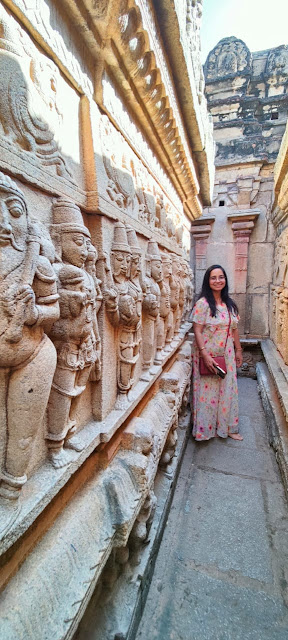
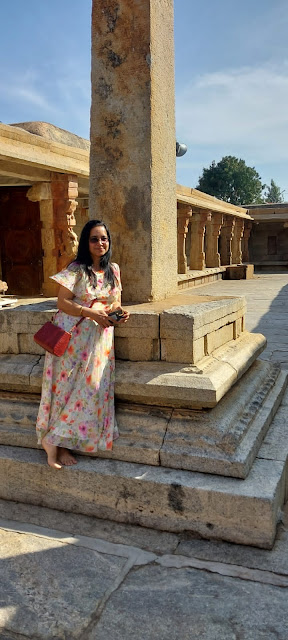
The monolithic Nagalingeshwara statue is one of the main attractions in the temple complex, the seven headed serpent guards a huge Shiva Linga. It is said that if one stands on the top of that idol, we can see the idol of Nandi. Next to this, inside the pavilion, there is a beautiful red stone idol of Lord Ganesha carved on the same stone.

भोग नन्दीश्वर मंदिर (Bhoga Nandishwara Temple)

 भोग नन्दीश्वर मंदिर (Bhoga Nandishwara Temple)

भगवान शिव को समर्पित भोग नन्दीश्वर मंदिर (Bhoga Nandishwara Temple) कर्नाटक राज्य के बैंगलोर शहर से लगभग 60 किलोमीटर की दूरी पर चिक्कबल्लापुर शहर के नंदी गाँव में पांच पहाड़ियों के बीच में स्थित है। 

भोग नन्दीश्वर मंदिर (Bhoga Nandishwara Temple)

यह लगभग एक हज़ार वर्ष पुराना मंदिर हैं जो कर्नाटक के सबसे पुराने मंदिरों में से एक (Bhoga Nandeeshwara Temple, Nandi Village, Chikkaballapur, Karnatak) है। बैंगलोर के यातायात, भीड़, शोर व प्रदुषण से दूर एक शांत स्थल है। नंदी की पहाड़ियां, जहाँ प्रकृति प्रेमी आना पसंद करते हैं। बेहद शांति और सुकून था इस जगह पर। 

भोग नन्दीश्वर मंदिर (Bhoga Nandishwara Temple)

इन्ही पहाड़ियों के बीच में स्थित है 9वीं सदी में बना यह विशाल भोग नंदीश्वर मंदिर (Bhoga Nandeeshwara Mandir)। नंदी हिल्स दरअसल एक पर्वत श्रिंखला है, जो नंदीगिरि, ब्रह्मगिरि, चन्नागिरि, स्कंदगिरि और हेमागिरि नाम के पर्वतों से मिलकर बनी है। बाहर से देखने पर मंदिर ज्यादा विशाल नहीं दिखता, पर मंदिर में प्रवेश करते हैं तो विशाल प्रांगण और अद्भुत नक्काशी वाला एक शिव मंदिर दिखाई देता है। गर्भगृह के चारों ओर का गलियारा, जिसका उपयोग मंदिर के चारों ओर परिक्रमा करने के लिए किया जाता है, आश्चर्यजनक रूप से नक्काशी से सजाया गया है।                

भोग नन्दीश्वर मंदिर (Bhoga Nandishwara Temple)                                           

भोग नंदीश्वर मंदिर का इतिहास (Bhoga Nandeeshwara Temple History In Hindi)

इस मंदिर के निर्माण की शुरुआत नोलान्ब वंश के राजाओं के द्वारा नौवीं शताब्दी में की गयी थी। उन्होंने केवल मंदिर की शुरुआत की थी और उसे एक रूप दिया था। आज मंदिर का जो विशाल व अद्भुत रूप है वह आगे चलकर दक्षिण भारत के कई राजवंशो के राजाओं का योगदान है, जिनमे 5 प्रमुख राजवंश हैं। 

नोलाम्ब राजवंश
गंगा राजवंश
चोल राजवंश
होयसल राजवंश
विजयनगर राजवंश

मुगल व अंग्रेज़ काल में भोग नन्दीश्वर मंदिर

कहने को तो मुगलों ने भारतवर्ष पर 800 वर्षों तक शासन किया था लेकिन दक्षिण को पूरी तरह से जीत पाना उनका हमेशा ख्वाब ही रहा। अफगानियों व मुगलों का ज्यादातर शासन उत्तर, पूर्व व पश्चिमी भारत पर था, लेकिन दक्षिण भारत सदा से अभेद्य किला रहा।

भोग नन्दीश्वर मंदिर (Bhoga Nandishwara Temple)

शक्तिशाली सम्राट औरंगजेब ने अपने शासनकाल में दक्षिण जीतने की बहुत कोशिश की, लेकिन छत्रपति सम्राट शिवाजी ने उन्हें महाराष्ट्र की भूमि से आगे ही नहीं बढ़ने दिया। किंतु धीरे-धीरे स्थितियां बदलती गयी और यहाँ पर टीपू सुल्तान का राज आया। 17वीं शताब्दी में टीपू सुल्तान की अंग्रेजों से हार हुई और वह क्षेत्र अंग्रेजों के हाथ में चला गया। हालाँकि मुगलों की भांति अंग्रेजों की नीति तोड़ने-लूटने की बजाए केवल लूटने की थी।

भोग नन्दीश्वर मंदिर (Bhoga Nandishwara Temple)

वर्तमान में भोग नन्दीश्वर मंदिर 

1947 में भारत को अन्तंतः अफगान, फिर मुगल और फिर अंग्रेजों के शासनकाल से स्वतंत्रता मिली। तब से यह मंदिर भारतीय पुरात्व विभाग के अंतर्गत आ गया। मंदिर के रखरखाव व पर्यटन का उत्तरदायित्व इन्हीं पर हैं।

त्रिप्रयार श्री राम मंदिर, केरल || Triprayar Sri Rama Temple, Kerala ||

त्रिप्रयार श्री राम मंदिर

त्रिप्रयार में श्री राम मंदिर केरल राज्य में एक प्रसिद्ध मंदिर है। वास्तुकला की दृष्टि से, यह मंदिर केरल के सबसे आकर्षक मंदिरों में से एक है, जिसमें कुछ हद तक प्राचीनता और प्राचीन लकड़ी की नक्काशी है। त्रिप्रयार श्री राम स्वामी मंदिर केरल के त्रिशूर जिले में स्थित है और यहां के इष्टदेव भगवान राम को समर्पित हैं। देवता को त्रिप्रयारप्पन और त्रिप्रयार थेवर के नाम से भी जाना जाता है। यह एक भव्य मंदिर है जो तिरुमूझिक्कलम में लक्ष्मण, कूडलमानिक्कम में भरत और पायम्मेल में शत्रुघ्न को समर्पित है। 

त्रिप्रयार श्री राम मंदिर, केरल || Triprayar Sri Rama Temple, Kerala ||

त्रिप्रयार श्री राम स्वामी मंदिर के बारे में अनोखी बात यह है कि भगवान राम की मूर्ति चतुर्भुज विष्णु की तरह दिखती है, जिनकी चार भुजाएँ शंख, चक्र, धनुष और माला हैं। त्रिप्रयार श्री राम मंदिर लकड़ी की नक्काशी से भरा हुआ है और गर्भगृह आकार में गोलाकार है, जिसमें शंक्वाकार ढकी हुई तांबे की छत है और सुनहरे थाज़िकाक्कुदम का मुकुट है। मंदिर की दीवारों को भित्ति चित्रों और रामायण के दृश्यों के मूर्तिकला चित्रण से सजाया गया है। मंदिर में तांबे से बने नमस्कार मंडप में प्रचुर मात्रा में नक्काशी की गई है, जिसमें नवग्रहों का प्रतिनिधित्व करने वाली लकड़ी की नक्काशी है। त्रिप्रयारप्पन को खर संहार मूर्ति भी कहा जाता है क्योंकि उन्होंने राक्षस खर को मार डाला था और शैव और वैष्णव पहलू प्राप्त किए थे। मंदिर के अंदर कुछ अन्य देवता भगवान हनुमान, भगवान गणेश, दक्षिणमूर्ति, भगवान अयप्पा और गोसाला कृष्णन हैं। मूर्ति के पीछे एक दीपक हमेशा जलता रहता है। 

त्रिप्रयार श्री राम मंदिर, केरल || Triprayar Sri Rama Temple, Kerala ||

ऐसा माना जाता है कि यहां स्थापित भगवान राम की मूर्ति की पूजा सबसे पहले भगवान कृष्ण ने की थी और उनकी मृत्यु के बाद मूर्ति को समुद्र में विसर्जित कर दिया गया था। चेट्टुवा क्षेत्रों के स्थानीय मछुआरों को यह मूर्ति समुद्र में मिली और स्थानीय शासक वक्कायिल कैमल ने त्रिप्रयार में एक मंदिर का निर्माण किया और मूर्ति को स्थापित किया।

मंदिर वास्तुकला

त्रिप्रयार मंदिर लकड़ी की नक्काशी से समृद्ध है। श्रीकोविल तांबे से ढकी शंक्वाकार छत के साथ गोलाकार है और इसके ऊपर एक सुनहरा थज़िकाक्कुदम है। गोलाकार गर्भगृह में डिजाइन की गतिशील और जीवंत जीवन शक्ति के साथ रामायण के दृश्यों के कई मूर्तिकला से सुसज्जित है और यह एक भव्य सजावट और मंदिर के वास्तुशिल्प भवन का एक अभिन्न अंग है। इसकी दीवारें सुंदर भित्तिचित्रों से सजी हुई हैं। नमस्कार मंडप, जो तांबे से बना है, प्रचुर मात्रा में मूर्तिकला है - जिसमें नवग्रहों का प्रतिनिधित्व करने वाली लकड़ी की नक्काशी के 24 पैनल हैं।

त्रिप्रयार श्री राम मंदिर, केरल || Triprayar Sri Rama Temple, Kerala ||

मूर्ति का अनोखा स्वरूप

यहां मूर्ति का रूप बहुत ही अलग है जिसमें चतुर्भुजधारी विष्णु को राम बनकर दानव काड़ा पर विजेता के रूप में दिखाया गया है। इस मूर्ति में भगवान ब्रह्मा, भगवान विष्णु और भगवान शिव के तत्व हैं, अत: इसकी पूजा त्रिमूर्ति के रूप में की जाती है। मंदिर के बाहरी आंगन में भगवान श्री अय्यप्पा का मंदिर बना हुआ है। यह मंदिर खासतौर से अरट्टूपुझा पूरम उत्सव के लिए प्रसिद्ध है।

English Translate

Triprayar Shri Ram Temple

Sri Rama Temple at Thriprayar is a famous temple in the state of Kerala. Architecturally, this temple is one of the most attractive temples in Kerala, with a degree of antiquity and ancient wood carvings. Triprayar Sri Rama Swamy Temple is located in Thrissur district of Kerala and is dedicated to the presiding deity Lord Rama. The deity is also known as Triprayarappan and Triprayar Thevar. It is a grand temple dedicated to Lakshmana at Tirumuzhikkalam, Bharata at Koodalamanikkam and Shatrughna at Payammel.

त्रिप्रयार श्री राम मंदिर, केरल || Triprayar Sri Rama Temple, Kerala ||

The unique thing about Triprayar Sri Rama Swamy Temple is that the idol of Lord Rama looks like Chaturbhuja Vishnu, whose four arms are conch, chakra, bow and rosary. The Triprayar Sri Rama temple is replete with wooden carvings and the sanctum sanctorum is circular in shape, with a conical covered copper roof and crowned with a golden Thazhikkadam. The walls of the temple are decorated with murals and sculptural depictions of scenes from the Ramayana. The namaskara mandapam made of copper in the temple is richly carved with wooden carvings representing the Navagrahas. Triprayappan is also called Khar Samhar Murthy because he killed the demon Khar and attained Shaiva and Vaishnava aspects. Some other deities inside the temple are Lord Hanuman, Lord Ganesha, Dakshinamurthy, Lord Ayyappa and Gosala Krishnan. A lamp always burns behind the idol.

It is believed that the idol of Lord Rama installed here was first worshiped by Lord Krishna and after his death the idol was immersed in the sea. Local fishermen from the Chettuwa areas found the idol in the sea and the local ruler Vakkayil Kaimal built a temple at Thriprayar and installed the idol.

त्रिप्रयार श्री राम मंदिर, केरल || Triprayar Sri Rama Temple, Kerala ||

temple architecture

Triprayar temple is rich in wooden carvings. The Sreekovil is circular with a conical roof covered with copper and topped with a golden Thazhikkakudam. The circular sanctum sanctorum is adorned with numerous sculptures of scenes from Ramayana with dynamic and vibrant vitality of design and is a grand decoration and an integral part of the architectural edifice of the temple. Its walls are decorated with beautiful frescoes. The Namaskara Mandapam, which is made of copper, is abundantly sculptured – with 24 panels of wood carvings representing the Navagrahas.

unique form of statue

The form of the idol here is very different in which the four-armed Vishnu is shown as Ram and victorious over the demon Kara. This idol has elements of Lord Brahma, Lord Vishnu and Lord Shiva, hence it is worshiped as Trimurti. There is a temple of Lord Shri Ayyappa in the outer courtyard of the temple. This temple is especially famous for the Arattupuzha Pooram festival.

सीता रामचंद्रस्वामी मंदिर, तेलंगाना || Sita Ramachandra Swamy Temple, Telangana

सीता रामचंद्रस्वामी मंदिर, तेलंगाना

श्री सीता रामचन्द्रस्वामी मंदिर तेलंगाना राज्य के भद्राचलम में गोदावरी नदी के तट पर स्थित भगवान राम का प्रसिद्ध मंदिर है। भद्राचलम में स्थित होने के कारण इसे "भद्राचलम् मंदिर" भी कहा जाता है। हिन्दू मान्यताओं में यह गोदावरी के दिव्यक्षेत्रों में से एक है और अपने महत्व के कारण इसे "दक्षिण अयोध्या" भी कहा जाता है।

सीता रामचंद्रस्वामी मंदिर, तेलंगाना || Sita Ramachandra Swamy Temple, Telangana

यह पवित्र स्थान दुनिया भर से लाखों भक्तों के आकर्षण का केंद्र है। यह भगवान राम (श्री महाविष्णु के सातवें अवतार) का निवास है। इस मंदिर का महत्व रामायण काल से है। यह सुसंमत पहाड़ी स्थान रामायण काल के ‘दंडाकारण्य’ में मौजूद था। यह वही स्थान है जहां भगवान राम ने अपनी पत्नी सीता और भाई लक्ष्मण के साथ अपना वनवास बिताया था। पर्णशाला (प्रसिद्ध स्वर्ण मृग से जुड़ा वह स्थान जहां से रावण ने माता सीता का अपहरण किया था) भी यहीं है।

रावण ने यहीं से किया था सीता का अपहरण

भद्राचलम से करीब 32 किलोमीटर दूर पर्णशाला नाम की एक जगह है। स्थानीय मान्यताओं के अनुसार भगवान राम ने अपने 14 वर्षों के वनवास का एक हिस्सा इसी जगह पर बिताया था और रावण ने इसी जगह से देवी सीता का अपहरण किया था। यहां स्वर्ण हिरण बनकर आए मारीछ की तस्वीर और भिक्षाटन के लिए संन्यासी बनकर आए रावण की भी तस्वीरें मौजूद हैं। 

सीता रामचंद्रस्वामी मंदिर, तेलंगाना || Sita Ramachandra Swamy Temple, Telangana

मंदिर को मुख्य रूप से तीन भागों में बांटा गया है। पहले भाग को भद्र का सिर माना जाता है, जहां एक मंदिर उन्हें समर्पित है। अंदर, एक चट्टान से बनी संरचना के अंदर, भगवान राम के कथित पैरों के निशान देखे जा सकते हैं। थिरुनामम (एक सफेद मिट्टी) को चट्टान पर लगाया जाता है ताकि आगंतुक इसे भद्र के सिर के रूप में पहचान सकें। 

मंदिर का दूसरा भाग गर्भगृह है। इस भाग को भद्र के हृदय के समकक्ष माना जाता है। 

तीसरा भाग राजगोपुरम (मुख्य मीनार) है, जो भद्र के चरणों में स्थित है। मंदिर के चार प्रवेश द्वार हैं तथा मुख्य प्रवेश द्वार तक पहुँचने के लिए 50 सीढ़ियाँ चढ़नी पड़ती हैं। गर्भगृह के ठीक सामने सोने की परत से लेपित एक ध्वजस्तंभ है। यह ध्वजस्तंभ पंचलोहा अर्थात पांच धातुओं से बने मिश्र धातु से बना है, जिस पर भगवान विष्णु के वाहन गरुड़ की नक्काशीदार छवियां बनी हैं। गर्भगृह के विमान के शीर्ष पर एक हजार कोनों वाला आठ मुखी सुदर्शन चक्र है, जिसे गोपन्ना ने उकेरा था तथा यह गोदावरी नदी के पानी में पाया गया था। विमान पर, मंदिर के देवता की लघु छवियां देखी जा सकती हैं।

सीता रामचंद्रस्वामी मंदिर, तेलंगाना || Sita Ramachandra Swamy Temple, Telangana

English Translate

Sita Ramachandraswami Temple, Telangana

Sri Sita Ramachandraswamy Temple is a famous temple of Lord Rama located on the banks of the Godavari River in Bhadrachalam, Telangana state. Due to its location in Bhadrachalam, it is also called "Bhadrachalam Temple". In Hindu beliefs, it is one of the divine areas of Godavari and due to its importance it is also called "South Ayodhya".

सीता रामचंद्रस्वामी मंदिर, तेलंगाना || Sita Ramachandra Swamy Temple, Telangana

This holy place is the center of attraction for millions of devotees from all over the world. It is the abode of Lord Rama (the seventh incarnation of Shri Mahavishnu). The importance of this temple dates back to the Ramayana period. This well-established hill place was present in ‘Dandakaranya’ of the Ramayana period. This is the same place where Lord Rama spent his exile with his wife Sita and brother Lakshman. Parnashala (the place associated with the famous golden deer from where Ravana abducted Mother Sita) is also here.

There is a place named Parnashala, about 32 kilometers away from Bhadrachalam. According to local beliefs, Lord Rama spent a part of his 14 years of exile at this place and Ravana abducted Goddess Sita from this place. Here there are pictures of Marich who came in the form of a golden deer and also pictures of Ravana who came in the form of a monk for alms.

The temple is mainly divided into three parts. The first part is considered to be the head of Bhadra, where a temple is dedicated to him. Inside, inside a rock-cut structure, the alleged footprints of Lord Rama can be seen. Thirunamam (a white clay) is applied on the rock so that visitors can recognize it as the head of Bhadra.

The second part of the temple is the sanctum sanctorum. This part is considered equivalent to the heart of Bhadra.

सीता रामचंद्रस्वामी मंदिर, तेलंगाना || Sita Ramachandra Swamy Temple, Telangana

The third part is the Rajagopuram (main tower), located at the feet of Bhadra. The temple has four entrances and one has to climb 50 stairs to reach the main entrance. Right in front of the sanctum sanctorum, there is a flagpole coated with gold layer. This flagpole is made of Panchaloha i.e. an alloy made of five metals, on which are carved images of Garuda, the vehicle of Lord Vishnu. At the top of the vimana of the sanctum sanctorum is the eight-faced Sudarshan Chakra with a thousand corners, which was carved by Gopanna and was found in the waters of the Godavari River. On the vimana, miniature images of the temple deities can be seen.