Cricket News: Latest Cricket News, Live Scores, Results, Upcoming match Schedules | Times of India

Sportstar - IPL

Showing posts with label दुनिया के अजब गजब जीव जंतु (Most Weird Animals In The World ). Show all posts

लैम्प्रे मछली (lamprey fish)

लैम्प्रे मछली (Lamprey Fish)

मछलियां तो आप लोगों ने बहुत ढेर सारी देखी होगी अनेकों प्रकार की मछलियां छोटी बड़ी रंग बिरंगी पर आज मैं जिस मछली की बात करने जा रही हूं उसके बारे में कम लोगों को ही पता होगा। दुनिया में एक से एक खतरनाक मछल‍ियां भी हैं, उन्हीं में एक ऐसी मछली ऐसी है, जो डायनासोर का भी शिकार कर चुकी है। ऐसी मछली जो पूरी शरीर का खून चूस लेती है और 45 करोड़ साल से इस धरती पर जिंदा है। इस मछली का नाम है "लैम्प्रे मछली (lamprey fish)" इस मछली का जबड़ा नहीं है, फ‍िर भी इतनी खतरनाक है कि अगर किसी के पीछे पड़ जाए तो जान लेकर ही मानती है। 

लैम्प्रे मछली (lamprey fish)

समुद्र के भीतर भी हमारी धरती की तरह कई ऐसे जीव मौजूद हैं, जिनके बारे में जानकर हम इंसान हैरान रह जाते हैं। इसी कड़ी में आज एक ऐसी मछली के बारे में जानेंगे, जिसे 'समुद्री वैम्पायर' के नाम से भी जाना जाता है।इसका काम केवल खून चूसना ही है। ये छोटी सी बिना जबड़े की मछली 45 करोड़ साल से धरती पर है। इसने डायनासोरों का भी खून चूसा है और पेड़ों को भी सुखाया है। ये अपने शिकार का खून और शरीर के सारे तरल पदार्थ चूस लेती है। उसे सूखा कर मार डालती है। जहां तक बात रही इनके खाने या पीने की तो ये सिर्फ तरल पदार्थ पीते हैं। प्रशांत महासागर की सैलमन, फ्लैटफिश, रॉकफिश और और हेक का खून इसका भोजन है। 

लैम्प्रे मछली (lamprey fish)

इस मछली की अधिकतम लंबाई 40 इंच तक होती है और वजन 8 किलोग्राम या कभी कभी उससे अधिक भी हो जाता है। इसकी पीठ का रंग नीला, काला और हरा होता है, जबकि इसके पेट का रंग आम तौर पर सुनहरा या सफेद होता है। ये मछली अपना आधे से ज्यादा जीवन नदी के पानी में बिताती है, इसके साथ ही यह जीवन के कई साल समुद्र के पानी में भी बिताती है और वहां रह कर हर तरह से खुद को मजबूत बनाती है। बाद में वह अंडे देने के लिए मीठे पानी में वापस आती है। इसे समुद्री मछली की श्रेणी में भी रखा जाता है। बिना जबड़े वाली इस मछली को पैसिफिक लैम्प्रे (Pacific Lamprey) भी कहते हैं। 

इस मछली की सबसे बड़ी पहचान उसका मुंह होता है, इसके मुंह में चारो तरफ दांत होते हैं, जो इसे अपना शिकार पकड़ने और उसका खून चूसने में सहयोग करते हैं। इसके दांत काफी नुकीले होते हैं और मुंह की बनावट ऐसी होती है कि यह शिकार का खून और मांस तुरंत खींच सके। यह मछलियों के प्राचीन समूह अगनाथा (Agnatha) से आती है। इसका वैज्ञानिक नाम एंटोसफेनस ट्राइडेंटस (Entosphenus tridentatus) है। 

लैम्प्रे मछली (lamprey fish)

इसे अटलांटिक महासागर की मछली भी कहा जाता है और यह उत्तरी अमेरिका से लेकर यूरोप तक पाई जाती है। वैसे इसे प्रशांत महासागर में भी देखा जाता है। यह एक बार में लगभग एक लाख अंडे देती है और उसके 36 दिनों के अंदर मादा लैम्प्रे मर जाती है। उन अंडों की देखभालनर सी लैंप्री करता है। पर्यावरण के लिए जरूरी इस मछली के बारे में मान्यता है कि आज से लगभग 36 करोड़ साल पहले पहली बार इसका जन्म हुआ था। 

क्षुद्रग्रह (Asteroid) के कारण हुए विनाशकारी विनाश के बावजूद, यह ध्यान देने योग्य है कि लैंप्रे मछली जीवित रहने में कामयाब रही। लैम्प्रे, स्टर्जन और डायनासोर से भी अधिक समय से अस्तित्व में हैं। यहाँ तक कि पेड़ों से भी अधिक समय तक। वे पांच बार बड़े पैमाने पर विलुप्त होने से बच गए हैं और कम से कम 66 मिलियन वर्ष पहले क्रेटेशियस युग के बाद से विकसित नहीं हुए हैं।

English Translate

 Lamprey Fish

You must have seen a lot of fishes, many types of fishes, big and small, but very few people would know about the fish that I am going to talk about today. There are many dangerous fishes in the world, among them there is one such fish which has even hunted dinosaurs. Such a fish which sucks the blood of the entire body and has been alive on this earth for 45 crore years. The name of this fish is "Lamprey fish". This fish does not have a jaw, yet it is so dangerous that if it chases someone, it will risk its life.

लैम्प्रे मछली (lamprey fish)

Like our earth, there are many such creatures present inside the ocean, knowing about which we humans are surprised. In this episode, today we will learn about a fish which is also known as 'sea vampire'. Its job is only to suck blood. This small jawless fish has been on earth for 45 crore years. It has also sucked the blood of dinosaurs and dried up trees. It sucks the blood and all the body fluids of its victim. It dries it up and kills it. As far as their food or drink is concerned, they drink only liquids. Its food is the blood of salmon, flatfish, rockfish and hake of the Pacific Ocean.

लैम्प्रे मछली (lamprey fish)

The maximum length of this fish is up to 40 inches and the weight can be 8 kilograms or sometimes even more. The color of its back is blue, black and green, while the color of its belly is usually golden or white. This fish spends more than half of its life in river water, along with this it also spends many years of its life in sea water and by staying there, it strengthens itself in every way. Later she returns to freshwater to lay eggs. It is also kept in the category of marine fish. This jawless fish is also called Pacific Lamprey.

The biggest identity of this fish is its mouth, it has teeth all around its mouth, which help it in catching its prey and sucking its blood. Its teeth are very sharp and the structure of the mouth is such that it can immediately extract the blood and flesh of the victim. It comes from the ancient group of fishes, Agnatha. Its scientific name is Entosphenus tridentatus.

It is also called the fish of the Atlantic Ocean and is found from North America to Europe. By the way, it is also seen in the Pacific Ocean. It lays about one lakh eggs at a time and within 36 days the female lamprey dies. Those eggs are taken care of by the male lamprey. It is believed that this fish, which is important for the environment, was first born about 36 crore years ago.

लैम्प्रे मछली (lamprey fish)

Despite the devastating destruction caused by the asteroid, it is noteworthy that the lamprey fish managed to survive. Lampreys have been around longer than sturgeons and dinosaurs. Even longer than the trees. They have survived five mass extinctions and have not evolved since the Cretaceous era at least 66 million years ago.

स्पूनबिल पक्षी (Spoonbill Bird)

स्पूनबिल पक्षी (Spoonbill Bird)

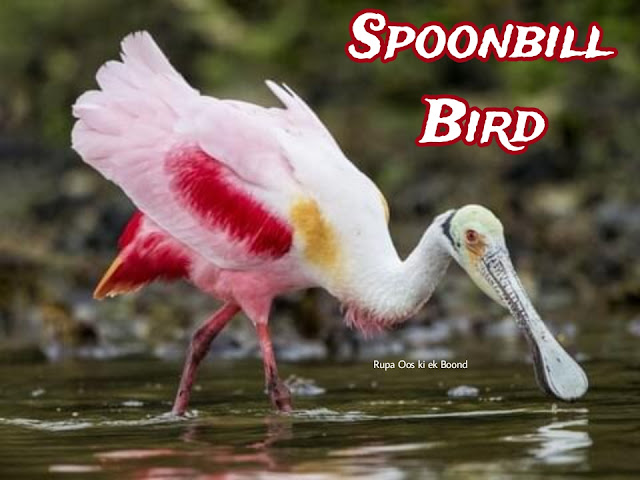
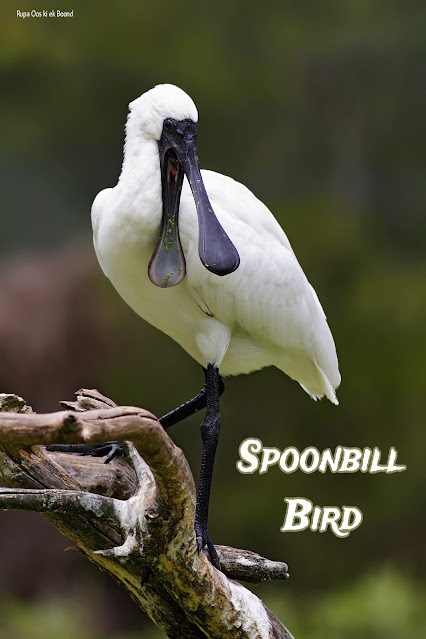
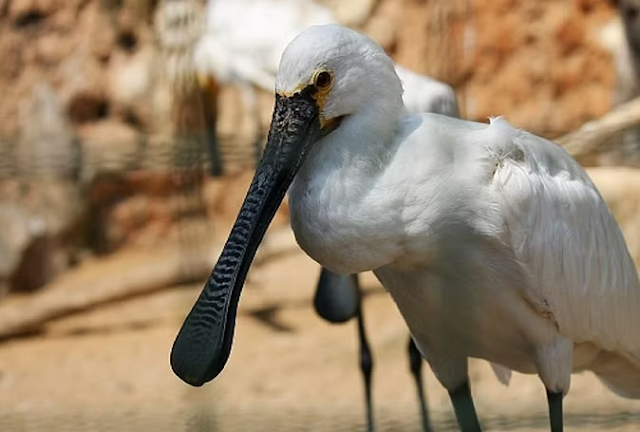
चम्मचचोंच या स्पूनबिल (Spoonbill) कम-गहराई वाले जलसमूहों में पतली व लम्बी टांगों वाला पक्षी है। इनकी चोंच के अन्त चपटे और चम्मच जैसे होते हैं, इसीलिए इसका नाम स्पूनबिल पड़ा। वयस्क पक्षी की शिखा छोटी, स्तन पर पीले रंग का धब्बा होता है। प्रथम वर्ष में चोंच पीली होती है, जिसके पंखों की नोकें उड़ान में दिखाई देती हैं। सोते हुए पक्षियों की मुद्रा क्षैतिज होती है और गर्दन उभरी हुई होती है, जबकि बगुले की स्थिति अधिक ऊर्ध्वाधर होती है। यह ज्यादातर उथले पानी (ज्वारीय फ्लैटों सहित) के साथ आर्द्रभूमि में पाया जाता है। 

स्पूनबिल पक्षी (Spoonbill Bird)

स्पूनबिल पक्षियों की छह प्रजातियाँ पाई जाती हैं। स्पूनबिल मुहाना, खारे पानी की खाड़ी और झीलों में पाए जाते हैं। वे कीचड़ या उथले पानी में लंबी चोंच को अगल-बगल से साफ करके भोजन करते हैं और इस तरह ज्यादातर छोटी मछलियां और क्रस्टेशियंस पकड़ते हैं। नदी की मछली, जलीय कीडे़ और छोटे मेढक स्पूनबिल का भोजन होते हैं। उड़ते समय, स्पूनबिल गर्दन और पैरों को फैलाते हैं और पंखों को लगातार फड़फड़ाते हैं। वे कालोनियों में प्रजनन करते हैं, अक्सर इबिस और बगुलों के साथ, एक निचली झाड़ी या पेड़ में लकड़ियों का एक बड़ा घोंसला बनाते हैं और तीन से पांच सफेद अंडे देते हैं, जिन पर लाल भूरे रंग के धब्बे होते हैं।

स्पूनबिल पक्षी (Spoonbill Bird)

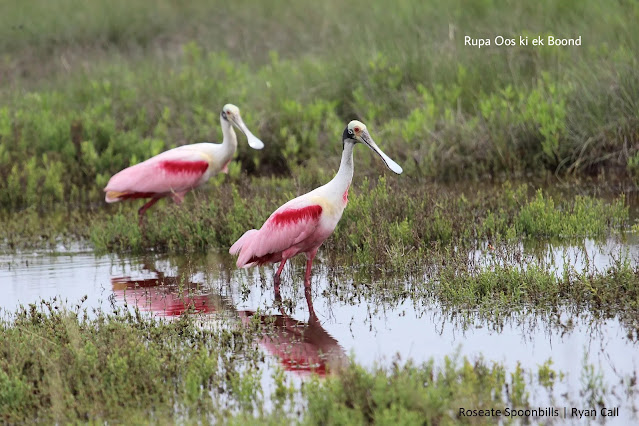
स्पूनबिल की लंबाई लगभग 60 से 80 सेमी (24 से 32 इंच) तक होती है। सिर आंशिक रूप से या पूरी तरह से नंगा है। अधिकांश प्रजातियों में आलूबुखारा सफेद होता है, कभी-कभी गुलाबी रंगत के साथ, लेकिन उत्तर और दक्षिण अमेरिका का रोज़ेट स्पूनबिल, लगभग 80 सेमी लंबा, सफेद गर्दन और ऊपरी पीठ के साथ गहरे गुलाबी रंग का होता है। यह टेक्सास और वेस्ट इंडीज के खाड़ी तट से लेकर अर्जेंटीना और चिली तक फैला हुआ है। कुछ स्थानों पर इसे प्लम शिकारियों द्वारा नष्ट कर दिया गया है।

स्पूनबिल पक्षी (Spoonbill Bird)

पक्षी विशेषज्ञ सतेंद्र शर्मा के अनुसार स्पूनबिल पक्षियों का प्रजनन काल सितंबर से दिसंबर के बीच होता है। एक बार में 2 से 4 अंडे देती हैं। सात सप्ताह में इनके शिशु उड़ान भरने लगते हैं। नर मादा मिल कर अंडों की देखरेख करते हैं। अधिकांश प्रजातियां पेड़ों या ईख की क्यारियों में घोंसला बनाती हैं। स्पूनबिल की छह प्रजातियां दुनिया के अधिकांश हिस्सों में वितरित की जाती हैं।

स्पूनबिल पक्षी (Spoonbill Bird)

यूरेशियन स्पूनबिल

वयस्क और किशोर बड़े पैमाने पर काले बाहरी पंख-टिप्स और काले बिल और पैरों के साथ सफेद होते हैं। यह सबसे व्यापक प्रजाति हैं, जो अफ्रीका के उत्तर-पूर्व में और यूरोप और एशिया के अधिकांश हिस्सों में जापान में पाई जाती है ।

स्पूनबिल पक्षी (Spoonbill Bird)

ब्लैक-फेस्ड स्पूनबिल

यह प्रजाति यूरेशियन स्पूनबिल्स से काफी मिलती जुलती है। यह ज्यादातर ताइवान , चीन , कोरिया और जापान में पाई जाती है। 

अफ्रीकी स्पूनबिल

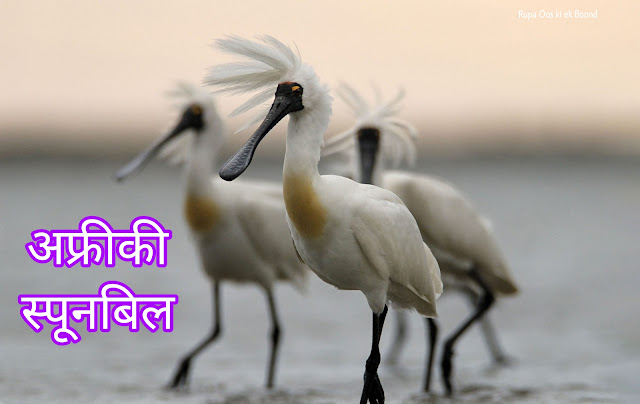
यूरेशियन स्पूनबिल के समान एक बड़ी सफेद प्रजाति, जिससे इसे अपने गुलाबी चेहरे और आमतौर पर हल्के बिल से अलग किया जा सकता है। इसके भोजन में कीड़े और अन्य छोटे जीव शामिल हैं, और यह पेड़ों, दलदल या चट्टानों में घोंसला बनाता है। यह प्रजाति अफ्रीका और मेडागास्कर में पाई जाती है। 

स्पूनबिल पक्षी (Spoonbill Bird)

रॉयल स्पूनबिल

काले चेहरे वाला एक बड़ा सफेद स्पूनबिल। यह दक्षिण-पूर्व ऑस्ट्रेलिया में सबसे आम है, लेकिन अस्थायी आर्द्रभूमि बनने पर महाद्वीप के अन्य हिस्सों में नियमित रूप से कम संख्या में पाया जाता है। यह न्यूजीलैंड , विशेष रूप से दक्षिणी द्वीप और कभी कभी stragglers के रूप में न्यू गिनी , इंडोनेशिया और प्रशांत द्वीप समूह में देखे जाते हैं।

येलो-बिल्ड स्पूनबिल          

पीले रंग के बिल के साथ एक सफेद स्पूनबिल, जो ज्यादातर दक्षिणपूर्व ऑस्ट्रेलिया में पाए जाते हैं। 

रोजेट स्पूनबिल

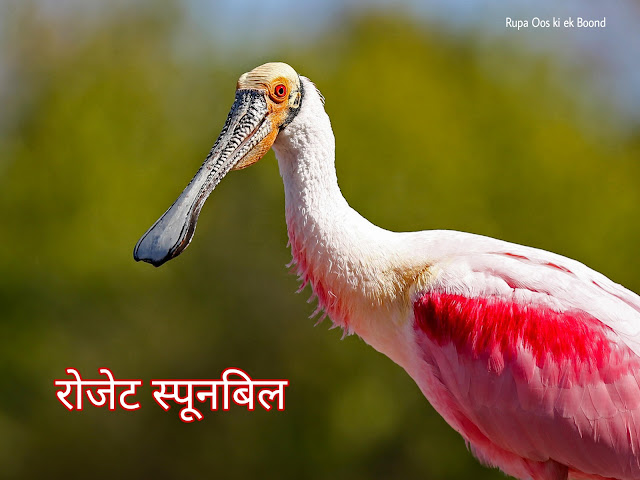
रोजेट स्पूनबिल में वयस्क गुलाबी पंखों के साथ बड़े होते हैं। दक्षिण अमेरिका, कैरिबियन और दक्षिणपूर्वी संयुक्त राज्य अमेरिका में इनको ज्यादातर देखा गया है। 

स्पूनबिल पक्षी (Spoonbill Bird)


English Translate

Spoonbill Bird

The spoonbill is a thin and long-legged bird found in shallow water bodies. The ends of their beak are flat and spoon-like, hence the name spoonbill. The adult bird has a small crest and a yellow spot on the breast. In the first year the beak is yellow, the tips of whose feathers are visible in flight. The posture of sleeping birds is horizontal with the neck erect, whereas the posture of herons is more vertical. It is found mostly in wetlands with shallow water (including tidal flats).
स्पूनबिल पक्षी (Spoonbill Bird)
Six species of spoonbill birds are found. Spoonbills are found in estuaries, saltwater bays and lakes. They feed by sweeping their long beaks from side to side in mud or shallow water and thus catch mostly small fish and crustaceans. River fish, aquatic insects and small frogs are the food of the spoonbill. While flying, spoonbills extend the neck and legs and flap their wings continuously. They breed in colonies, often with ibises and herons, building a large nest of sticks in a low bush or tree and laying three to five white eggs with reddish brown spots.
स्पूनबिल पक्षी (Spoonbill Bird)
The spoonbill ranges from about 60 to 80 cm (24 to 32 in) in length. The head is partially or completely bare. The plumage of most species is white, sometimes with a pink tinge, but the roseate spoonbill of North and South America, about 80 cm long, is dark pink with a white neck and upper back. It ranges from the Gulf Coast of Texas and the West Indies to Argentina and Chile. In some places it has been destroyed by plume hunters.

According to bird expert Satendra Sharma, the breeding period of spoonbill birds is between September to December. Lays 2 to 4 eggs at a time. Their babies start flying in seven weeks. Male and female together take care of the eggs. Most species nest in trees or reed beds. Six species of spoonbills are distributed over much of the world.

Eurasian spoonbill

Adults and juveniles are largely white with black outer wing-tips and black bill and legs. It is the most widespread species, found in Japan, north-east Africa and much of Europe and Asia.
स्पूनबिल पक्षी (Spoonbill Bird)

Black-faced spoonbill

This species is very similar to Eurasian spoonbills. It is mostly found in Taiwan, China, Korea and Japan.

african spoonbill

A large white species similar to the Eurasian spoonbill, from which it can be distinguished by its pink face and usually lighter bill. Its diet includes insects and other small creatures, and it nests in trees, marshes or rocks. This species is found in Africa and Madagascar.
स्पूनबिल पक्षी (Spoonbill Bird)

royal spoonbill

A large white spoonbill with a black face. It is most common in south-eastern Australia, but is regularly found in small numbers in other parts of the continent when temporary wetlands form. It is seen in New Zealand, especially the South Island, and occasionally as stragglers in New Guinea, Indonesia and the Pacific Islands.

Yellow-billed spoonbill

A white spoonbill with a yellow bill, found mostly in southeastern Australia.

rosette spoonbill

Roseate spoonbill adults are large with pink feathers. They are most commonly seen in South America, the Caribbean, and the Southeastern United States.

शोबिल/शुबिल पक्षी || Shoebill

शोबिल पक्षी (Shoebill)

पक्षियों की आवाज और सुंदरता दोनों ही मन मोह लेने वाली होती है। सुबह-सुबह चिड़ियों की चहचहाहट के साथ दिन की शुरुआत होती है, परंतु दुनिया में सभी पक्षियों की आवाज मधुर नहीं होती। आज हम एक ऐसे पक्षी की चर्चा करेंगे जो बोलता है, तो ऐसा लगता है कि कहीं मशीनगन चल रही हो और डरावनी इतनी कि घूरती है तो ऐसा लगता है मानो सामने मौत खड़ी हो।

शोबिल/शुबिल पक्षी || Shoebill

इस पक्षी का नाम है 'शूबिल/शुबिल (Shoebill)'। इसे 'व्हेलहेड या शू-बिल्ड स्टॉर्क' भी कहते हैं। इसका नाम शूबिल इसलिए पड़ा, क्योंकि इसकी चोंच जूते जैसी दिखती है। यह काफी देर तक एक ही अवस्था में रह सकता है, इसलिए इसे 'स्टैचू लाइक बर्ड (Statue Like Bird)' भी कहते हैं। यह सूडान से लेकर जाम्बिया में भी पाए जाते हैं। 
शोबिल पक्षी दिखता तो सारस जैसा है, लेकिन आकार में सारस को भी मात देता है। इसका रहन-सहन भी दुसरे पक्षियों से अलग है। इसकी औसत लंबाई चार से पांच फूट होती है। इसके पंखों का रंग ब्लू, ग्रे, ब्राउन होता है। गर्दन बहुत मजबूत, पैर लंबे और पंख चौड़े होते हैं।  नर शूबिल का वजन लगभग 5.6 किलोग्राम और मादा का वजन 4.9 किलोग्राम होता है। शुबिल के शरीर की सबसे बड़ी विशेषता उसकी चोंच होती है। यह बड़ा तो है ही, साथ ही जूते के आकार का है। इसकी चोंच 9 इंच लम्बी और 4 इंच चौड़ी है। 
शोबिल/शुबिल पक्षी || Shoebill
यह अपने पंखों को एक मिनट में लगभग 150 बार फड़फड़ा सकता है और 230 से 260 सेंटीमीटर तक फैला सकता है। इसके शरीर की सबसे बड़ी विशेषता उसकी चोंच होती है। ये मछली, चूहा, गिरगिट, सांप, मगरमच्छ के बच्चे आदि बड़े चाव से खाता है। यह 35 वर्षों तक जीवित रह सकता है। शिकार को देखते ही उसकी तरफ तेज रफ्तार से बढ़ता है और अपने नुकीले चोंच से उसे मार देता है। जब यह अपने शिकार को देखती है तो उसे पकड़ने के लिए आश्चर्यजनक रफ्तार से शिकार की ओर बढती है। शिकार बचने की कोशिश करे उससे पहले ही शोबिल अपने नुकीले चोंच से उसे आधे-आधे टुकड़े में बाँट देती है। 
 शोबिल/शुबिल पक्षी || Shoebill
शुबिल अपना घोंसला सामूहिक रूप से नही बनाती है। एक ही स्क्वायर फीट पर तीन घोंसले ही पाए जाते है। विश्व में इसकी जनसख्या लगभग 5,000 से 8,000 है। इसमें से ज्यादातर सूडान ,ईस्टर्न डेमोक्रेटिक रिपुब्लिक ऑफ़ कांगो और जाम्बिया में पायी जाती है। बर्ड लाइफ इंटरनेशनल ने इसे अतिसंवेदनशील प्राणी की श्रेणी में रखा है।  बहुत से अनोखे जीवों की तरह यह पक्षी विलुप्त होने के कगार पर है। 
शोबिल/शुबिल पक्षी || Shoebill

English Translate

Shoebill Bird

Both the sound and beauty of birds are captivating. The day starts with the chirping of birds early in the morning, but the sound of all birds in the world is not melodious. Today we will discuss about a bird which when it speaks, it seems as if a machine gun is going off somewhere and when it stares with such horror, it seems as if death is standing in front of it.
The name of this bird is 'Shoebill'. It is also called 'whalehead or shoe-billed stork'. It was named Shoebill because its beak looks like a shoe. It can remain in the same position for a long time, hence it is also called 'Statue Like Bird'. They are also found from Sudan to Zambia.
शोबिल/शुबिल पक्षी || Shoebill
The shoebill bird looks like a stork, but it surpasses even the stork in size. Its lifestyle is also different from other birds. Its average length is four to five feet. The color of its feathers is blue, grey, brown. The neck is very strong, the legs are long and the wings are wide. The weight of the male shoebill is approximately 5.6 kg and that of the female is 4.9 kg. The biggest feature of Shubil's body is its beak. Not only is it big, it is also the size of a shoe. Its beak is 9 inches long and 4 inches wide.
शोबिल/शुबिल पक्षी || Shoebill
It can flap its wings about 150 times a minute and has a wingspan of 230 to 260 centimeters. The biggest feature of its body is its beak. It eats fish, rat, chameleon, snake, crocodile babies etc. with great enthusiasm. It can live up to 35 years. As soon as it sees the prey, it moves towards it at high speed and kills it with its sharp beak. When it sees its prey, it moves towards the prey at amazing speed to catch it. Even before the prey can try to escape, the shoebill divides it into half with its sharp beak.
 शोबिल/शुबिल पक्षी || Shoebill
Shubil does not make its nest collectively. Only three nests are found in the same square feet. Its population in the world is about 5,000 to 8,000. Most of it is found in Sudan, Eastern Democratic Republic of Congo and Zambia. Bird Life International has classified it as a vulnerable animal. Like many unique creatures, this bird is on the verge of extinction.

प्लेटिपस || Platypus

प्लेटिपस 

आज आपको एक ऐसे जीव से मिलवाते हैं, जो दुनिया के सबसे अजीब जानवरों में से एक है। यह दुनिया का एकमात्र ऐसा जीव है जो दूध और अंडे दोनों देता है। इस दुनिया में कई ऐसे अनोखे जीव हैं जो प्रकृति के नियमों को चुनौती देते हैं। ऐसा ही एक जीव है "प्लैटीपुस/प्लैटिपस (Platypus)"। देखने में ही ये जीव बेहद अजीब दिखाई देता है। इसके मुंह का हिस्सा एक बत्तख के जैसा है और बाकी का सारा शरीर किसी सील मछली जैसा होता है। यह एक स्तनधारी जीव है। हालांकि, स्तनधारी होने के बाद भी ये बच्चे अंडे के रूप में देते हैं और सबसे बड़ी बात की ये दूध भी देते हैं। यह एक अनोखा मिश्रण है जो पूरी धरती पर सिर्फ पांच जीवों में पाया जाता है। प्लेटिपस को दुनिया के सबसे अजीब जानवरों में से एक माना जाता है। 
"प्लैटीपुस/प्लैटिपस (Platypus)"

प्लैटिपस केवल ऑस्ट्रेलिया में पाया जाता है। इसका सुव्यवस्थित शरीर और चौड़ी, सपाट पूंछ घने जलरोधी फर से ढकी हुई है, जो उत्कृष्ट थर्मल इन्सुलेशन प्रदान करती है। उनके पास तैरने के लिये जालीयुक्त पाद होते हैं और नदियों तथा झरनों में भोजन खोजने के लिये उनकी चोंच में इलेक्ट्रोरिसेप्टर होते हैं। एक औसत नर प्लेटिपस की लंबाई 20 इंच तक होती है, और किसी मादा की औसत लम्बाई लगभग 17 इंच तक होती है। और इनका वजन 1 से लेकर 2.5 kg तक होता है।

प्लैटीपस दुनिया के उन अनोखे जीवों में से एक है, जो अपनी रक्षा के लिए विष का इस्तेमाल करते हैं। दरअसल, इस जीव के पीछले पैरों की एड़ी में एक कांटा होता है, जिसमें विष होता है। अपनी रक्षा के लिए प्लैटीपुस इस कांटे को अपने दुश्मन के शरीर में घुसा देता है। हालांकि, अगर इंसान को ये कांटा लग जाए तो उसकी मौत तो नहीं होगी, लेकिन दर्द बहुत ज्यादा होगा इतना कि आप बर्दाश्त नहीं कर पाएंगे।
"प्लैटीपुस/प्लैटिपस (Platypus)"

प्लैटिपस मुख्य रूप से रात में विभिन्न प्रकार के जलीय अकशेरुकी जीवों को खाते हैं। ये कीट, लार्वा, झींगा, स्विमिंग बीटल, जल-कीट, टैडपोल, कृमि और विभिन्न प्रकार के सूक्ष्म जीवों को खाते हैं। ये बड़े शिकार को उठाकर जल सतह पर ले आते हैं फिर इन्हें खाते हैं। इनके शरीर में आमाशय नहीं होता है। क्युकी खाना उनके गले से सीधे  उनकी आंतों में जाता है, इसी कारण उन्हें इसे पचाने के लिए किसी पाचन एंजाइम या एसिड की थैली की जरुरत नहीं पड़ती।

यह निशाचर जीव होते है। यह दिन के समय ज्यादातर सोते है, और रात के समय घूमने के लिए बाहर निकलते है। कभी-कभी वे घटाटोप दिनों में भी सक्रिय रहते हैं, जब आसमान में काफी बादल छाए हुए होते है। काफी उत्कृष्ट तैराक होते है, और शिकार के लिए औसतन 30 सेकंड तक बिना हवा के पानी के नीचे गोता लगा सकते है। एक प्लेटिपस किसी जंगली परिवेश में 12 साल से अधिक जीवित रह सकता है। उनके प्राकृतिक शिकारियों में सांप, बाज, उल्लू, पानी के चूहे, चील और कभी-कभी मगरमच्छ भी शामिल होते हैं।
"प्लैटीपुस/प्लैटिपस (Platypus)"

जब सन् 1799 में यूरोपीय जीववैज्ञानिकों ने सबसे पहले एक प्लैटीपुस का मृत शरीर देखा था, तो उसके बत्तख जैसी थूथन, बीवर जैसी मोटी-चपटी दुम और ऊदबिलाव जैसे पैर देखकर उन्होंने ऐसे प्राणी का अस्तित्व मानने से इनकार कर दिया और अलग-अलग प्राणियों के अंगों को जोड़कर धोखा देने का आरोप लगाया है। 

शोधकर्ताओं का कहना है कि ऑस्ट्रेलिया के पूर्वी तट पर पाए जाने वाले ये जीव सूखे के कारण अब तक लगभग 40 फीसद तक गायब हो चुके हैं। बांधों के बनने से इनके आवासों को सबसे ज्यादा नुकसान पहुंच रहा है। शोधकर्ताओं का अनुमान है कि यदि जलवायु की स्थिति ऐसी ही अनिश्चित बनी रहती है तो अगले 50 वर्षो में प्लैटिपस 46 से 66 फीसद तक और विलुप्त हो सकते हैं। यदि जलवायु परिवर्तन और गहराता है तो 2070 तक अंडे देने वाले इन स्तनपायी जानवरों की संख्या 73 फीसद तक कम हो जाएगी।
दुनिया का एकमात्र ऐसा जीव जो दूध और अंडे दोनों देता है।

20वीं शताब्दी की शुरुआत तक इनके फर के लिए इनका शिकार किया जाता था। मगर अब यह एक ऑस्ट्रेलियाई संरक्षित प्रजाति है, और इनका शिकार दंडनीय अपराध है। प्लेटिपस दक्षिणपूर्वी ऑस्ट्रेलियाई राज्य “न्यू साउथ वेल्स” का राज्य पशु है।

English Translate

Platypus

Today let us introduce you to a creature which is one of the strangest animals in the world. It is the only creature in the world that gives both milk and eggs. There are many unique creatures in this world that challenge the laws of nature. One such creature is "Platypus". This creature looks very strange just by looking at it. Its mouth part is like that of a duck and the rest of the body is like that of a seal fish. It is a mammalian creature. However, despite being mammals, they give babies in the form of eggs and the most important thing is that they also give milk. This is a unique mixture that is found in only five organisms on the entire earth. The platypus is considered one of the strangest animals in the world.
"प्लैटीपुस/प्लैटिपस (Platypus)"

The platypus is found only in Australia. Its streamlined body and broad, flat tail are covered with dense waterproof fur, which provides excellent thermal insulation. They have webbed feet for swimming and electroreceptors in their beaks to find food in rivers and streams. The average length of a male platypus is up to 20 inches, and the average length of a female is about 17 inches. And their weight ranges from 1 to 2.5 kg.

The platypus is one of those unique creatures in the world that use venom to protect themselves. Actually, this creature has a thorn in the heel of its hind legs, which contains poison. To protect itself, the platypus inserts this thorn into the body of its enemy. However, if a person gets hit by this thorn, he will not die, but the pain will be so much that you will not be able to bear it.

Platypuses feed primarily at night on a variety of aquatic invertebrates. They eat insects, larvae, shrimp, swimming beetles, water bugs, tadpoles, worms and various types of micro-organisms. They pick up large prey and bring it to the water surface and then eat it. There is no stomach in their body. Because food passes directly from their throat to their intestines, they do not need any digestive enzymes or acid bags to digest it.

These are nocturnal creatures. They sleep mostly during the day, and come out to roam at night. Sometimes they are active even on overcast days, when the sky is very cloudy. They are excellent swimmers, and can dive underwater without air for an average of 30 seconds to hunt. A platypus can live more than 12 years in the wild. Their natural predators include snakes, hawks, owls, water rats, eagles, and sometimes even crocodiles.

When European biologists first saw the body of a platypus in 1799, their duck-like snout, beaver-like thick tail, and beaver-like legs led them to deny the existence of such a creature and began to differentiate between separate species. Accused of cheating by joining body parts.
प्लेटिपस दक्षिणपूर्वी ऑस्ट्रेलियाई राज्य “न्यू साउथ वेल्स” का राज्य पशु है

Researchers say that about 40 percent of these creatures found on the east coast of Australia have disappeared due to drought. Their habitats are being harmed the most due to the construction of dams. Researchers estimate that if climate conditions remain uncertain, platypuses may become extinct by 46 to 66 percent in the next 50 years. If climate change deepens further, the number of these egg-laying mammals will reduce by 73 percent by 2070.

They were hunted for their fur until the beginning of the 20th century. But it is now an Australian protected species, and hunting them is a punishable offence. The platypus is the state animal of the south-eastern Australian state of New South Wales.

स्टार नोज मोल (Star Nose Mole)

स्टार नोज मोल

स्टार नोज मोल (Star Nose Mole) बेहद ही अजीब सा दिखने वाला यह जीव किसी चूहे की प्रजाति का लगता है, लेकिन इसकी नाक किसी सितारे की तरह है, इसीलिए इसका नाम 'स्टार नोज मोल' रखा गया। इनकी खासियत ये है कि अगर किसी जगह पर बहुत कम भी ऑक्सीजन हो तो ये जीव वहां भी जिंदा रह लेते हैं। ये अपने नाक से छूकर ही पता लगा लेते हैं कि सामने पड़ी चीज खाने लायक है या नहीं। इस जीव की सबसे बड़ी खूबी ये है कि यह प्रति सेकेंड 13 शिकारों की पहचान कर सकता है। इतने कम समय में इंसान मुश्किल से ही दो या तीन लोगों की पहचान कर सकते हैं। ये पृथ्वी पर किसी भी अन्य स्तनपायी की तुलना में तेजी से खाते हैं। वयस्कों की लंबाई 15 से 20 सेंटीमीटर, वजन 55 ग्राम तक और 44 दांत हो सकते हैं।

स्टार नोज मोल (Star Nose Mole)

"स्टार-नोज़्ड मोल्स वास्तव में अद्भुत जानवर हैं," एक न्यूरोसाइंटिस्ट कैटेनिया ने कहा, जिनकी प्राणी में रुचि पहली बार वाशिंगटन, डीसी में राष्ट्रीय चिड़ियाघर में स्नातक अनुसंधान सहायक के रूप में काम करते समय बढ़ी थी। "जाहिर तौर पर वे सबसे अजीब दिखने वाले प्राणियों में से हैं, लेकिन जब मैंने तारे, तिल के मस्तिष्क संगठन और उसके व्यवहार को समझने की कोशिश शुरू की - तब चीजें वास्तव में आश्चर्यजनक हो गईं।"

स्टार नोज मोल एक छोटा अर्धजलीय जीव है जो उत्तरी अमेरिका के उत्तरी भागों में कम ऊंचाई वाले क्षेत्रों में पाया जाता है। यह जनजाति कॉन्डिलुरिनी और जीनस कॉन्डिलुरा का एकमात्र मौजूदा सदस्य है और इसके स्पर्श अंगों में 25,000 से अधिक सूक्ष्म संवेदी रिसेप्टर्स हैं, जिन्हें एइमर के अंगों के रूप में जाना जाता है, जिसके साथ यह हैम्स्टर आकार का जीव अपना रास्ता महसूस करता है। अपने एइमर के अंगों की मदद से यह भूकंपीय तरंग कंपन का पता लगाने के लिए पूरी तरह से सक्षम है।

स्टार नोज मोल (Star Nose Mole) के बारे में कुछ रोचक बातें 

स्टार-नोज़्ड मोल्स एक सेकंड के दो-दसवें हिस्से से भी कम समय में भोजन (कीड़े, ज्यादातर) की पहचान कर सकते हैं और खा सकते हैं, उन्हें यह तय करने में मात्र 8 मिलीसेकंड लगते हैं कि कोई वस्तु खाने योग्य है या नहीं। वे यह उपलब्धि आंशिक रूप से अपने तंत्रिका तंत्र के अत्यंत कुशल संचालन के कारण करते हैं, जो न्यूरॉन्स की शारीरिक सीमा के करीब पहुंचने वाली गति से पर्यावरण से जानकारी को जानवर के मस्तिष्क तक पहुंचाता है।उनका तारा किसी भी स्तनपायी में सबसे संवेदनशील ज्ञात स्पर्श अंग है।

तिल के थूथन पर विशिष्ट तारा अंग में 100,000 से अधिक तंत्रिका फाइबर होते हैं - मानव हाथ में "स्पर्श" फाइबर की संख्या से पांच गुना। 

तिल की इस प्रजाति में एक मोटा कोट होता है। इसमें बड़े पैर और एक लंबी झाड़ीदार पूंछ होती है, जिसमें वसंत ऋतु में उपयोग किए जाने वाले वसा के भंडार को संग्रहित करने का कार्य होता है, जो इसकी प्रजनन अवधि होती है।                                     

स्टार नोज मोल (Star Nose Mole)

इस जानवर की सबसे खास बात यह है कि ऑक्टोपस के समान तंबूओं का घेरा होता है जो इसके चेहरे पर टिका होता है, इन्हें किरणें कहा जाता है। इन स्पर्शकों का कार्य स्पर्श के माध्यम से भोजन खोजना है।               

इस जानवर का थूथन 1 सेंटीमीटर व्यास का है, इसके 22 उपांगों में लगभग 25,000 रिसेप्टर्स केंद्रित हैं। ईमर अंग के रूप में भी जाना जाता है, इसका उल्लेख पहली बार 1871 में एक प्राणी विद्वान द्वारा किया गया था, जो उस उपनाम को धारण करता है। यह अंग मोल्स की अन्य प्रजातियों में भी मौजूद है, लेकिन यह स्टार-नोज्ड तिल में है कि यह सबसे संवेदनशील और असंख्य है। यह एक जानवर है जो उत्सुकता से अंधा है, पहले यह माना जाता था कि इसके थूथन ने अपने शिकार में विद्युत गतिविधि की पहचान करने के लिए काम किया था।

चेहरे पर यह अंग और इसके प्रकार के दांत बहुत छोटे शिकार को भी खोजने के लिए पूरी तरह से अनुकूलित हैं। एक और जिज्ञासा वह गति है जिसके साथ यह जानवर खिलाता है, यह खाने के लिए दुनिया में सबसे फुर्तीला भी चुना गया था, यह अपने शिकार की पहचान करने और उसे खाने के लिए 227 एमएस से अधिक नहीं है। इस जानवर का दिमाग शिकार को खाने या न खाने के लिए 8 एमएस से ज्यादा नहीं लेता है।

तिल की इस प्रजाति का एक और मजबूत बिंदु पानी के नीचे सूंघने की क्षमता है, यह वस्तुओं पर हवा के बुलबुले स्प्रे करने में सक्षम है, और फिर इन बुलबुले को अवशोषित कर लेता है और गंध को अपनी नाक तक ले जाता है।                 

यह एक ऐसा जानवर है जो नम वातावरण में रहता है और छोटे अकशेरूकीय जैसे कुछ कीड़े, पानी के कीड़े, छोटी मछलियाँ और कुछ छोटे उभयचर इसके भोज्य पदार्थ हैं।

इस प्रजाति को पानी से दूर सूखे स्थानों में भी देखा गया है। उन्हें बहुत ऊँचे स्थानों जैसे ग्रेट स्मोकी पर्वत में भी देखा गया है, जो लगभग 1676 मीटर ऊँचा है। इसके बावजूद यह इसका पसंदीदा स्थान नहीं है, क्योंकि यह दलदलों और अनुपचारित मिट्टी में अच्छा करता है।

स्टार नोज मोल (Star Nose Mole)

कम ही लोग जानते हैं कि यह जानवर एक उत्कृष्ट तैराक है और झीलों और नदियों के तल पर भी भोजन कर सकता है। अन्य प्रजातियों की तरह यह तिल भी कुछ सतही सुरंगों की खोज करता है, जहां यह फ़ीड कर सकता है, जिसमें ये सुरंगें भी शामिल हैं जो पानी के नीचे हो सकती हैं।

इसकी दैनंदिन और निशाचर दोनों आदतें हैं, सर्दियों में भी यह बहुत सक्रिय है, इसे बर्फ से भरे स्थानों में तैरते और बर्फ के बीच में पार करते देखा गया है। उनके व्यवहार के बारे में ज्यादा जानकारी नहीं है, लेकिन माना जाता है कि वे समूहों में रहते हैं।

English Translate

Star Nose Mole

Star Nose Mole: This very strange looking creature looks like a rat species, but its nose is like a star, that is why it was named 'Star Nose Mole'. Their specialty is that even if there is very little oxygen at some place, these organisms can survive there too. They find out whether the thing lying in front of them is edible or not just by touching it with their nose. The biggest feature of this creature is that it can identify 13 victims per second. Humans can hardly identify two or three people in such a short period of time. They eat faster than any other mammal on Earth. Adults can be 15 to 20 centimeters long, weigh up to 55 grams, and have 44 teeth.
स्टार नोज मोल (Star Nose Mole)

"Star-nosed moles are truly amazing animals," said Catania, a neuroscientist whose interest in the creature was first piqued while working as a graduate research assistant at the National Zoo in Washington, DC. “Obviously they are one of the strangest looking creatures, but when I started trying to understand the brain organization of the star, the mole, and its behavior – that's when things became really amazing.”

The star nose mole is a small semiaquatic creature found in low elevation areas in the northern parts of North America. It is the only extant member of the tribe Condylurini and the genus Condylura and has more than 25,000 microscopic sensory receptors in its tactile organs, known as Eimer's organs, with which this hamster-sized creature feels its way. With the help of its aimer organs it is fully capable of detecting seismic wave vibrations.

Some interesting things about Star Nose Mole

Star-nosed moles can identify and eat food (insects, mostly) in less than two-tenths of a second, taking them a mere 8 milliseconds to decide whether an item is edible or not . They accomplish this feat partly due to the extremely efficient operation of their nervous system, which transmits information from the environment to the animal's brain at a speed approaching the physiological limit of neurons. Their star is the most sensitive known sense of touch in any mammal. Is an organ.

The distinctive star organ on the mole's snout contains more than 100,000 nerve fibers – five times the number of "touch" fibers in a human hand.

This species of mole has a thick coat. It has large feet and a long bushy tail, which has the function of storing fat reserves to be used in the spring, which is its breeding period.

The most special thing about this animal is that it has a circle of tentacles similar to that of an octopus which rests on its face, these are called rays. The function of these tentacles is to find food through touch.

The snout of this animal is 1 centimeter in diameter, with about 25,000 receptors concentrated in its 22 appendages. Also known as the Eimer organ, it was first mentioned in 1871 by a zoologist who bears that surname. This organ is also present in other species of moles, but it is in the star-nosed mole that it is most sensitive and numerous. It is an animal that is curiously blind, it was previously believed that its snout served to detect electrical activity in its prey.

This organ and its type of teeth on the face are perfectly adapted for finding even very small prey. Another curiosity is the speed with which this animal feeds, it was also voted the most agile in the world for eating, it does not exceed 227 ms to identify its prey and eat it. The brain of this animal takes no more than 8 ms to decide whether to eat the prey or not.

Another strong point of this species of mole is the ability to smell underwater, it is able to spray air bubbles on objects, and then absorb these bubbles and carry the smell to its nose.

It is an animal that lives in moist environments and its food items are small invertebrates such as some insects, water bugs, small fish and some small amphibians.

स्टार नोज मोल (Star Nose Mole)

This species has also been observed in dry places away from water. They have also been observed in very high places such as the Great Smoky Mountains, which are about 1676 meters high. Despite this this is not its preferred location, as it does well in swamps and untreated soils.

Few people know that this animal is an excellent swimmer and can even feed at the bottom of lakes and rivers. Like other species, this mole also searches for surface tunnels where it can feed, including tunnels that may be underwater.

It has both diurnal and nocturnal habits, being very active even in winter, having been seen swimming in snow-filled areas and crossing through ice. Not much is known about their behavior, but they are believed to live in groups.

नेकेड मोल रैट (Naked Mole Rat)

नेकेड मोल रैट (Naked Mole Rat)

चूहे तो आप सभी ने बहुत देखे होंगे, परंतु आज यहां जिस चूहे की बात हो होने जा रही है, वह शायद ही किसी ने देखा होगा। तो चलिए अजब गजब जीव जंतुओं की इस दुनिया में चलते हैं नेकेड मोल रैट की तरफ और जानते हैं इस अजीब से दिखने वाले चूहे के बारे में। 

नेकेड मोल रैट (Naked Mole Rat)

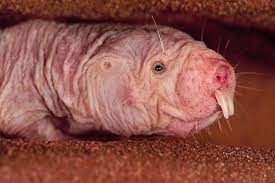
नग्न तिल चूहा, (हेटरोसेफालस ग्लैबर), कृंतक परिवार बाथयार्चिडे का बिल खोदने वाला सदस्य, जिसका नाम इसकी झुर्रीदार गुलाबी त्वचा और बाल रहित शारीरिक संरचना को देखते हुए रखा गया है। उनके चौड़े सिर में मजबूत, मांसल जबड़े होते हैं जो खुदाई के लिए उपयोग किए जाने वाले चार कृंतक दांतों को सहारा देते हैं। वे अपने लंबे जीवन काल, कम कैंसर दर और औपनिवेशिक आदत के लिए प्रसिद्ध हैं। उनके नाम से पता चलता है के विपरीत, नग्न तिल चूहों की त्वचा पर लगभग 100 बारीक बाल होते हैं जो मूंछ की तरह काम करते हैं और उन्हें अपने परिवेश को समझने में मदद करते हैं।

नग्न तिल-चूहा(Naked Mole Rat)( हेटेरोसेफालस ग्लैबर), जिसे रेत पिल्ला के रूप में भी जाना जाता है। नग्न तिल चूहे आमतौर पर 7.5 सेमी (3 इंच) लंबे होते हैं और साधारणतया उनका वजन लगभग 28-42 ग्राम (1-1.5 औंस) होता हैं। उनके शरीर ने कई अनुकूलन विकसित होते हैं जो उन्हें भूमिगत आवास में रहने के अनुकूल बनाते हैं। 

इनकी आंखें छोटी होती हैं, जिससे वे व्यावहारिक रूप से अंधे हो जाते हैं। उनके पास बाहरी कान नहीं होते हैं, और उनके आंतरिक कानों में ऐसी संरचनाओं का अभाव होता है जो कर्णावत प्रवर्धन (एक प्रक्रिया जो मस्तिष्क तक पहुंचने से पहले ध्वनि को बढ़ाती है) की अनुमति देती है, जो खराब सुनवाई में योगदान करती है। अर्थात उनके देखने और सुनने की क्षमता बहुत कम होती है। अतः नग्न तिल चूहे सुरंगों में नेविगेट करने के लिए अपनी अन्य इंद्रियों, विशेष रूप से स्पर्श और गंध पर भरोसा करते हैं। उनके शरीर पर बारीक बाल चोंच में कंपन और वायु धाराओं को महसूस करने के लिए मूंछों के रूप में कार्य करते हैं और उनके छोटे पैर उन्हें सुरंगों में आसानी से नेविगेट करने में मदद करते हैं। 

नग्न तिल चूहे इथियोपिया, केन्या, सोमालिया और जिबूती सहित पूर्वी अफ्रीका के घास वाले और अर्धशुष्क क्षेत्रों में भूमिगत पाए जा सकते हैं। वे सुरंगों के एक व्यापक नेटवर्क द्वारा निर्मित भूमिगत बिलों में रहते हैं जो 2 मीटर (6.5 फीट) तक गहरे और 4 किमी (2.5 मील) लंबे हो सकते हैं। वे अपने बड़े दांतों से गंदगी कुतरकर और इसे असेंबली-लाइन फैशन में सतह पर फैलाकर, लगभग 4 सेमी (1.5 इंच) व्यास वाली ये सुरंगें बनाते हैं। सुरंगें घोंसला बनाने, देखभाल करने, भोजन भंडारण और अन्य कार्यों के लिए उपयोग किए जाने वाले कक्षों को जोड़ती हैं। 

नेकेड मोल रैट (Naked Mole Rat)

नग्न तिल चूहे शाकाहारी होते हैं, और वे सतह के नीचे उगने वाले पौधों के हिस्सों जैसे जड़ों और कंदों को खाते हैं। यदि एक बड़ा कंद पाया जाता है, तो नग्न तिल चूहे आंतरिक भाग को खा सकते हैं और बाहरी हिस्से को ज्यादातर छोड़ देते हैं, जिससे यह वापस बढ़ सकता है और एक सुसंगत भोजन स्रोत बन सकता है। वे पीने के लिए पानी की तलाश में नहीं भटकते, क्योंकि उनका आहार पर्याप्त नमी प्रदान करता है। वे अपने भोजन से अवशोषित पोषक तत्वों की मात्रा को अधिकतम करने के लिए अपने स्वयं के मल को पुन: उत्पन्न करते हैं।

नग्न तिल चूहे वास्तव में एकमात्र यूकोसियल स्तनधारियों में से एक हैं - अर्थात, वे एक पदानुक्रमित सामाजिक संरचना द्वारा परिभाषित बड़ी कॉलोनियों में रहते हैं जिसमें लगभग सभीसदस्य अपेक्षाकृत कुछ सदस्यों को प्रजनन में मदद करने के लिए सहयोग करते हैं। कालोनियों का नेतृत्व एक मादा नग्न तिल चूहे द्वारा किया जाता है जिसे रानी कहा जाता है, जो प्रजनन करने वाली एकमात्र मादा है। रानी साल में चार या पांच बार संतान पैदा करती है। यह एक बार में लगभग 12 बच्चों को जन्म देती है। यह संख्या काफी परिवर्तनशील है और कभी कभी यह संख्या लगभग 30 तक पहुँच सकती है। 

कॉलोनी में अन्य नग्न चतुर चूहे या तो श्रमिकों या सैनिकों के रूप में कार्य करते हैं। श्रमिक लगभग 7.5 सेमी लंबे और वजन 35 ग्राम (1.25 औंस) होते हैं; वे सुरंग खोदते हैं, भोजन इकट्ठा करते हैं और पिल्लों की देखभाल करते हैं। इसके विपरीत, रानी और कॉलोनी को सांपों और अन्य शिकारियों से बचाने के लिए सैनिक अपने तुलनात्मक रूप से बड़े आकार का उपयोग करते हैं, जिसका वजन लगभग 55 ग्राम (2 औंस) होता है। 

नेकेड मोल रैट (Naked Mole Rat)

ये चूहे असाधारण रूप से लंबा जीवन जी सकते हैं, अनुमानित जीवनकाल 10-30 वर्ष, जो अन्य छोटे कृंतकों की तुलना में बहुत अधिक है। ब्रिटिश गणितज्ञ बेंजामिन गोम्पर्ट्ज़ द्वारा विकसित एक गणितीय समीकरण जिसमें कहा गया है कि उम्र के साथ मरने का जोखिम तेजी से बढ़ता है। जबकि मनुष्यों में मृत्यु का यह जोखिम 30 वर्ष की आयु के बाद हर आठ साल में दोगुना हो जाता है, एक नग्न तिल चूहे के मरने की संभावना जीवन भर स्थिर रहती है। प्रकृति और प्राकृतिक संसाधनों के संरक्षण के लिए अंतर्राष्ट्रीय संघ ने हेटेरोसेफालस ग्लैबर को कम से कम चिंता की प्रजाति के रूप में वर्गीकृत किया है।

English Translate 

Naked Mole Rat

All of you must have seen many rats, but hardly anyone would have seen the rat which is going to be talked about here today. So let's go into this world of amazing creatures towards the Naked Mole Rat and know about this strange looking rat.

नेकेड मोल रैट (Naked Mole Rat)

Naked mole rat, (Heterocephalus glaber), a burrowing member of the rodent family Bathyarchidae, named for its wrinkled pink skin and hairless body structure. Their broad heads have strong, muscular jaws that support four incisor teeth used for digging. They are renowned for their long life span, low cancer rates and colonial habit. Contrary to what their name suggests, naked mole rats have about 100 fine hairs on their skin that act like whiskers and help them sense their surroundings.

Naked Mole Rat (Heterocephalus glaber), also known as the sand pup. Naked mole rats are typically 7.5 cm (3 in) long and typically weigh about 28–42 g (1–1.5 oz). Their bodies have developed many adaptations that make them suitable for living in underground habitats.

Their eyes are small, making them practically blind. They do not have external ears, and their inner ears lack structures that allow cochlear amplification (a process that amplifies sound before it reaches the brain), which contributes to poor hearing. That means their ability to see and hear is very less. So naked mole rats rely on their other senses, especially touch and smell, to navigate tunnels. The fine hairs on their bodies act as whiskers to sense vibrations and air currents in the beak and their short legs help them navigate easily in tunnels.


Naked mole rats can be found underground in grassy and semiarid areas of East Africa, including Ethiopia, Kenya, Somalia and Djibouti. They live in underground burrows formed by an extensive network of tunnels that can be up to 2 m (6.5 ft) deep and 4 km (2.5 mi) long. They make these tunnels, about 4 cm (1.5 in) in diameter, by gnawing dirt with their large teeth and spreading it over the surface in assembly-line fashion. Tunnels connect chambers used for nesting, caregiving, food storage, and other functions.

नेकेड मोल रैट (Naked Mole Rat)

Naked mole rats are herbivores, and they eat plant parts growing below the surface, such as roots and tubers. If a large tuber is found, naked mole rats may eat the interior and leave most of the exterior, allowing it to grow back and become a consistent food source. They do not wander in search of water to drink, as their diet provides sufficient moisture. They regurgitate their own feces to maximize the amount of nutrients absorbed from their food.

Naked mole rats are actually one of the only eusocial mammals – that is, they live in large colonies defined by a hierarchical social structure in which nearly all members cooperate to help a relatively few members reproduce. Colonies are led by a female naked mole rat called a queen, who is the only female to reproduce. The queen produces offspring four or five times a year. She gives birth to about 12 babies at a time. This number is quite variable and can sometimes reach as high as 30.


Other naked shrew rats in the colony act as either workers or soldiers. Workers are about 7.5 cm long and weigh 35 g (1.25 oz); They dig tunnels, gather food, and care for the pups. In contrast, soldiers use their comparatively large size, weighing about 55 grams (2 ounces), to protect the queen and colony from snakes and other predators.

नेकेड मोल रैट (Naked Mole Rat)

These rats can live exceptionally long lives, with an estimated lifespan of 10–30 years, which is much longer than other small rodents. A mathematical equation developed by British mathematician Benjamin Gompertz that states that the risk of dying increases exponentially with age. Whereas in humans this risk of death doubles every eight years after age 30, a naked mole rat's chance of dying remains constant throughout its life. The International Union for Conservation of Nature and Natural Resources has classified Heterocephalus glaber as a species of least concern.

पिंक फेयरी आर्माडिलो (Pink Fairy Armadillo)

पिंक फेयरी आर्माडिलो (Pink Fairy Armadillo)

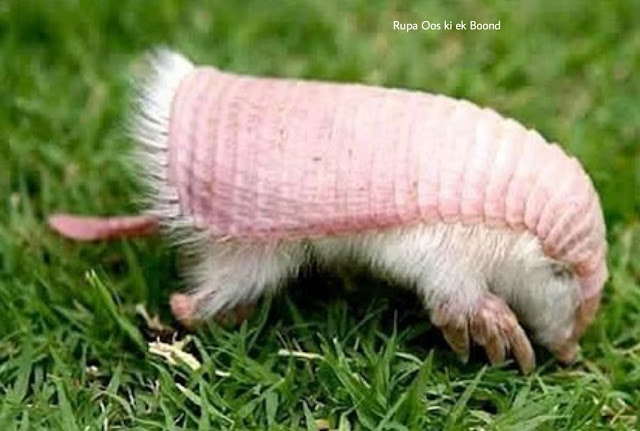
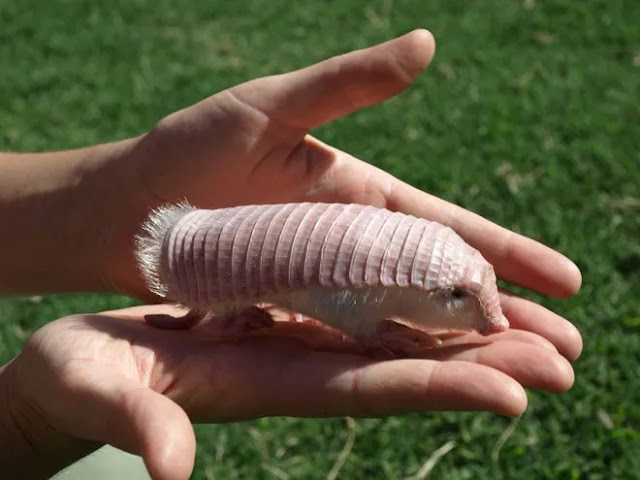
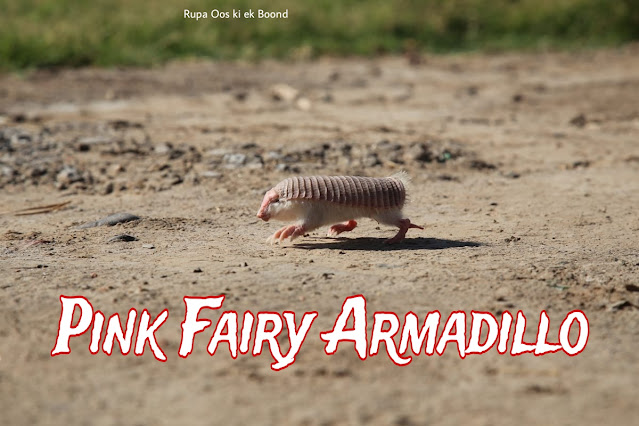
पिंक फेयरी आर्माडिलो (Pink Fairy Armadillo) नाम का जीव देखने में किसी चूहे के जैसे लगता है। इसके शरीर के ऊपरी हिस्से को देखेंगे तो ऐसा लगेगा कि इसपर कोई परत अलग से लगाई गई है। ये जीव खुदाई करने में माहिर होता है। ये जमीन को इतनी तेजी से खोदता है कि ऐसा लगता है कि वह पानी में तैर रहा है। 

पिंक फेयरी आर्माडिलो (Pink Fairy Armadillo)

गुलाबी परी आर्मडिलो 90-115 मिमी (3.5-4.5 इंच) लंबा होता है और आमतौर पर इसका वजन लगभग 120 ग्राम (4.2 औंस) होता है। यह प्रजाति सबसे छोटी जीवित आर्माडिलो है और सबसे कम ज्ञात प्रजातियों में से एक है।  गुलाबी परी आर्मडिलो ( क्लैमीफोरस ट्रंकैटस ) आर्मडिलो की सबसे छोटी प्रजाति है ( क्लैमीफोरिडे और डेसीपोडिडे परिवारों के स्तनधारी एक बोनी कवच ​​खोल द्वारा पहचाने जाते हैं)। वे मेंडोज़ा प्रांत के दक्षिण के साथ-साथ रियो नीग्रो के उत्तर और ब्यूनस आयर्स के दक्षिण में पाए गए हैं। इसका वर्णन सबसे पहले 1825 में रिचर्ड हार्लन ने किया था। 

यह एकान्त में रहने वाला रेगिस्तान-अनुकूलित जानवर है। मध्य अर्जेंटीना के लिए स्थानिक और रेतीले मैदानों, टीलों और झाड़ीदार घास के मैदानों में पाया जाता है, जहां वसंत और गर्मियों की अवधि के दौरान विभिन्न प्रकार की पतली लैरीया और पोर्टुलाका झाड़ियाँ दिखाई देती हैं। यह रेतीले मैदानों और टीलों में भी रहता है। गुलाबी परी आर्मडिलोस की छोटी आंखें, रेशमी पीला सफेद फर और एक लचीला पृष्ठीय खोल होता है, जो केवल एक पतली पृष्ठीय झिल्ली द्वारा इसके शरीर से जुड़ा होता है । इसके अलावा इसकी स्पैटुला के आकार की पूंछ इसके खोल के कुंद पिछले हिस्से में एक ऊर्ध्वाधर प्लेट से निकलती है।

पिंक फेयरी आर्माडिलो (Pink Fairy Armadillo)

यह प्राणी रात्रिचर और एकान्तवासी होता है और इसका आहार मुख्य रूप से कीड़े, घोंघे और विभिन्न पौधों के हिस्सों से बना होता है। भूमिगत रहते हुए चींटियाँ और लार्वा इसके मुख्य भोजन स्रोत हैं। गुलाबी परी आर्माडिलो के संरक्षण की स्थिति अभी भी अनिश्चित है और इसे आईयूसीएन की संकटग्रस्त प्रजातियों की लाल सूची में डेटा की कमी के रूप में सूचीबद्ध किया गया है। 

इस प्रजाति की जनसंख्या में गिरावट का कारण आम तौर पर कृषि गतिविधियों और घरेलू कुत्तों और बिल्लियों सहित शिकारियों को माना गया है। गुलाबी परी आर्माडिलोस कुछ दशकों पहले की तुलना में कम पाए जाते हैं और मैदानी दृश्य दुर्लभ और आकस्मिक रहे हैं। 

पिंक फेयरी आर्माडिलो (Pink Fairy Armadillo)

2006 में, आर्मडिलो को IUCN रेड लिस्ट में निकट-खतरे की श्रेणी में रखा गया था । 2008 में इसकी जनसंख्या गतिशीलता और प्राकृतिक इतिहास पर वैज्ञानिक जानकारी की कमी के कारण इसे डेटा की कमी वाली श्रेणी में स्थानांतरित कर दिया गया था । इस बात की पुष्टि की गई है कि मैदानी दृश्य दुर्लभ और पहले की तुलना में कम आम हैं, भले ही गुलाबी परी आर्माडिलो को उसकी रात्रिकालीन जीवाश्म जीवन शैली के कारण देखना पहले से ही मुश्किल है।

English Translate

Pink Fairy Armadillo

The creature named Pink Fairy Ramadillo looks like someone else. If we look at the upper parts of its body, it is so useless that nothing is clearly visible on it. These creatures are adept at digging. This land has risen so fast that it seems as if it is floating in water.

पिंक फेयरी आर्माडिलो (Pink Fairy Armadillo)

The pink fairy armadillo measures 90–115 mm (3.5–4.5 in) long and typically weighs around 120 g (4.2 in). It is the smallest living armadillo and one of the smallest living creatures. The pink fairy armadillo (Chlamyphorus cruetates) is the smallest branch of the armadillos (mammals of the families Chlamyphoridae and Dasypodidae distinguished by a bony carapace shell). They were found in the south of Mendoza province as well as north of the Río Negro and south of Buenos Aires. It was first described by Richard Harlan in 1825.

It is a solitary desert-adapted animal. The locality is found in sandy plains, dunes and ornamental grasslands throughout central Argentina, where a variety of layers of lyreia and portulaca shrubs appear in the spring and summer season. It also lives in sandy plains and dunes. Pink fairy armadillos have small eyes, silky pale white coats, and a flexible dorsal coat, with only a single flaky dorsal coat attached to its body. Apart from its spatula-shaped tail, the rear part of its shell is drooping from a substrate in the furrow.

This creature is nocturnal and solitary and its diet consists mainly of insects, snails and various wasps. Whole-life ants and insects are its main food sources. The conservation status of the pink fairy armadillo is still of concern and it is listed as data deficient on the IUCN Red List of Threatened Animals.

The decline in this portfolio has generally been attributed to agricultural factories and domesticated hunters and hunters. Pink fairy armadillos are less common than they were a few decades ago and plains sightings remain rare and unique.

पिंक फेयरी आर्माडिलो (Pink Fairy Armadillo)

In 2006, the armadillo was classified as near-threatened on the IUCN Red List. Its data deficient category was changed in 2008 due to lack of scientific information. This has confirmed that plains sightings are rare and less common than previously thought, even though the pink fairy armadillo has previously been very difficult to see due to its nocturnal sculptural lifestyle.

सैगा/साइगा एंटीलोप || Saiga antelope

सैगा एंटीलोप

'सैगा एंटीलोप' एक ऐसा जानवर जो दिखने में किसी हिरण की तरह ही होते हैं, लेकिन इनकी लंबी बेढंगी नाक इन्हें सबसे अलग और खास बनाती है। 'सैगा/साइगा एंटीलोप' रूस और कजाकिस्तान जैसे देश में पाए जाते हैं।

सैगा/साइगा एंटीलोप || Saiga antelope

यह मध्यम आकार का खुर वाला स्तनपायी है, जो पेड़ रहित स्टेपी देश में झुंड में रहता है। एक समय यह पोलैंड से पश्चिमी मंगोलिया तक आम था। शिकार और निवास स्थान के विनाश के कारण यह बहुत कम हो गया है और अब यह दक्षिण-पश्चिमी रूस, कजाकिस्तान और मंगोलिया के स्थानों में मौजूद है। 

सैगा की सबसे उत्कृष्ट विशेषता इसकी सूजी हुई थूथन और नीचे की ओर निर्देशित नासिका है। थथन साँस की हवा को गर्म और नम करने का कार्य करता है। यह जानवर की गंध की तीव्र अनुभूति से संबंधित हो सकता है और यह रूटिंग कॉल के लिए ध्वनि कक्ष के रूप में भी काम कर सकता है। 

सैगा/साइगा एंटीलोप || Saiga antelope

वयस्क साइगा कंधे पर लगभग 76 सेमी (30 इंच) लंबा होता है और इसका वजन 31 से 43 किलोग्राम (68 से 95 पाउंड) होता है। सैगा कंधे पर 61-81 सेमी (24-32 इंच) खड़ा होता है, और इसका वजन 26-69 किलोग्राम (57-152 पाउंड) होता है। सिर और शरीर की लंबाई आम तौर पर 100 और 140 सेमी (39 और 55 इंच) के बीच होती है। सैगा की एक प्रमुख विशेषता नीचे की ओर निर्देशित, निकट दूरी पर फूले हुए नासिका छिद्रों की जोड़ी है। चेहरे की अन्य विशेषताओं में गालों और नाक पर काले निशान शामिल हैं। साथ ही 1 ⁄ 2  इंच लंबे कान होते हैं। गर्मियों के प्रवास के दौरान, साइगा की नाक झुंड द्वारा उड़ाई गई धूल को छानने में मदद करती है और जानवर के खून को ठंडा करती है। सर्दियों में, यह ठंडी हवा को फेफड़ों तक ले जाने से पहले गर्म कर देता है। मादाएं नर से लगभग तीन-चौथाई आकार की होती हैं। 

सैगा/साइगा एंटीलोप || Saiga antelope

2002 से साइगा को अंतर्राष्ट्रीय प्रकृति संरक्षण संघ द्वारा गंभीर रूप से लुप्तप्राय माना गया है। नर साइगा के सींग एम्बर-पीले रंग के होते हैं, जो कुछ हद तक वीणा के आकार के होते हैं। इन सींगों को चीनी चिकित्सा में अत्यधिक महत्व दिया जाता है और यही मुख्य कारण है कि साइगा का इतने व्यापक रूप से शिकार किया गया है। 19वीं सदी के अंत और 20वीं सदी की शुरुआत में, पश्चिमी साइगाओं को सींग, मांस और खाल के लिए इतनी अंधाधुंध हत्या कर दी गई कि वे कुछ छोटी, बिखरी हुई आबादी में सिमट कर रह गए। सोवियत संघ ने 1921 में शिकार पर प्रतिबंध लगा दिया और जल्द ही साइगाओं ने अपनी सीमा बढ़ा दी। 

सैगा/साइगा एंटीलोप || Saiga antelope

English Translate

Saiga Antelope

'Saiga Antelope' is an animal that looks similar to a deer, but its long, shapeless nose makes it different and special. 'Saiga/Saiga Antelope' are found in countries like Russia and Kazakhstan.

सैगा/साइगा एंटीलोप || Saiga antelope

It is a medium-sized hoofed mammal, living in herds in treeless steppe country. At one time it was common from Poland to western Mongolia. It has declined greatly due to hunting and habitat destruction and is now present in locations in southwestern Russia, Kazakhstan, and Mongolia.

The saiga's most outstanding feature is its swollen snout and downwards-directed nostrils. Throat works to warm and humidify the inhaled air. This may be related to the animal's keen sense of smell and may also serve as a sound chamber for routing calls.

सैगा/साइगा एंटीलोप || Saiga antelope

The adult saiga stands about 76 cm (30 in) tall at the shoulder and weighs 31 to 43 kg (68 to 95 lb). The saiga stands 61–81 cm (24–32 in) tall at the shoulder, and weighs 26–69 kg (57–152 lb). Head and body length is typically between 100 and 140 cm (39 and 55 in). A prominent feature of the saiga is a pair of downward-directed, closely spaced flared nostrils. Other facial features include dark marks on the cheeks and nose. It also has 1 ⁄ 2 inch long ears. During summer migration, the saiga's nose helps filter dust kicked up by the herd and cools the animal's blood. In winter, it warms cold air before it is carried to the lungs. Females are about three-fourths the size of males.

सैगा/साइगा एंटीलोप || Saiga antelope

The saiga has been considered critically endangered by the International Union for Conservation of Nature since 2002. The horns of the male saiga are amber-yellow, somewhat harp-shaped. These horns are highly valued in Chinese medicine and are the main reason why saigas have been so widely hunted. In the late 19th and early 20th centuries, western saigas were killed so indiscriminately for horns, meat, and hides that they were reduced to a few small, scattered populations. The Soviet Union banned hunting in 1921, and saigas soon expanded their range.